Restorative Artistry · Venice Island, FL
Restorative Dentistry in Venice, Florida.
When a tooth is damaged, decayed, or gone — there is always a path back. Dr. Meenachi Sellappan restores teeth the way nature built them: metal-free, minimally invasive, designed to last.
Key Takeaways · Restorative Dentistry — Rebuild what matters. Protect what remains.
Restorative dentistry repairs damaged, decayed or missing teeth while protecting as much healthy tooth structure as possible. At Smile Spot Dentistry in Venice, Florida, Dr. Meenachi Sellappan plans restorative care around the tooth, supporting tissues and forces of the bite — not simply the space that needs to be filled.
Preservation Comes First
Healthy tooth structure is finite.
Fillings, partial-coverage restorations (inlays and onlays) and crowns are selected according to how much healthy enamel and dentin remain — with the goal of removing no more tooth structure than necessary.
Function Guides the Restoration
Your bite matters.
Kois-guided evaluation considers structural, periodontal and functional risk before restorative treatment, helping determine what should be restored, how it should be designed and how it will carry force.
Material Follows the Job
Not every tooth needs the same material.
Composite resin, E.max and zirconia — all metal-free restorative materials — have different optical and mechanical properties. Selection depends on remaining tooth structure, location, bite load, span and aesthetic demand.
One Tooth or the Whole System
The plan scales with the problem.
Treatment may range from a metal-free filling, ceramic crown, dental bridge, custom denture, implant-supported teeth or full mouth reconstruction when damage or missing teeth affect multiple areas.
At a glance · metal-free, five services, Kois-trained
100% · Metal-Free Practice
Ceramic, zirconia, composite — zero amalgam, zero alloys, always
5 · Restorative Services
Crowns · Bridges · Fillings · Dentures · Full Mouth Reconstruction
Kois · Trained Clinician
Every restoration planned against occlusal data — not guesswork
Restorative DentistrySmile Spot DentistryVenice Island, Florida
Fix Less. Preserve More. — The best restoration is the smallest one that works.
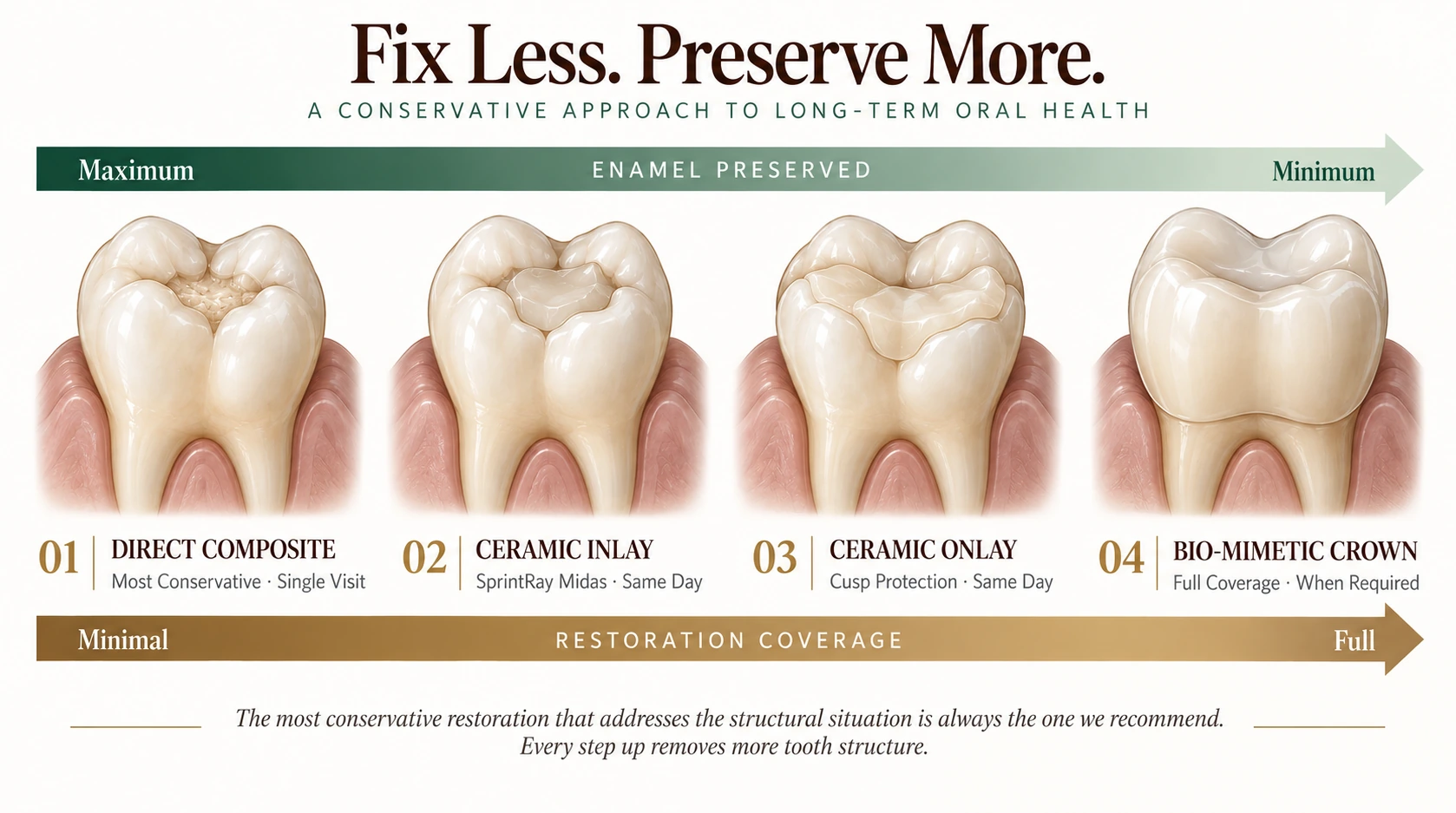
Restorative dentistry does not have to begin with a crown. At Smile Spot Dentistry in Venice, Florida, Dr. Meenachi Sellappan evaluates how much healthy enamel and dentin remain, where the tooth is weakened, and how your bite loads it before deciding how much coverage is actually necessary.
Direct Composite
Maximum enamel preserved
Small-to-moderate damage
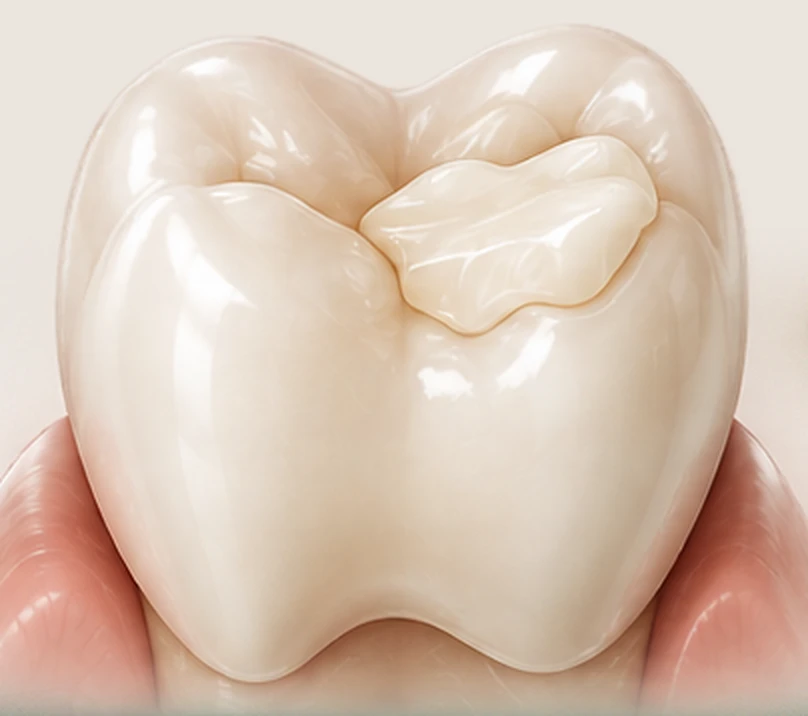
Ceramic Inlay
Internal restoration
More structure preserved than full coverage
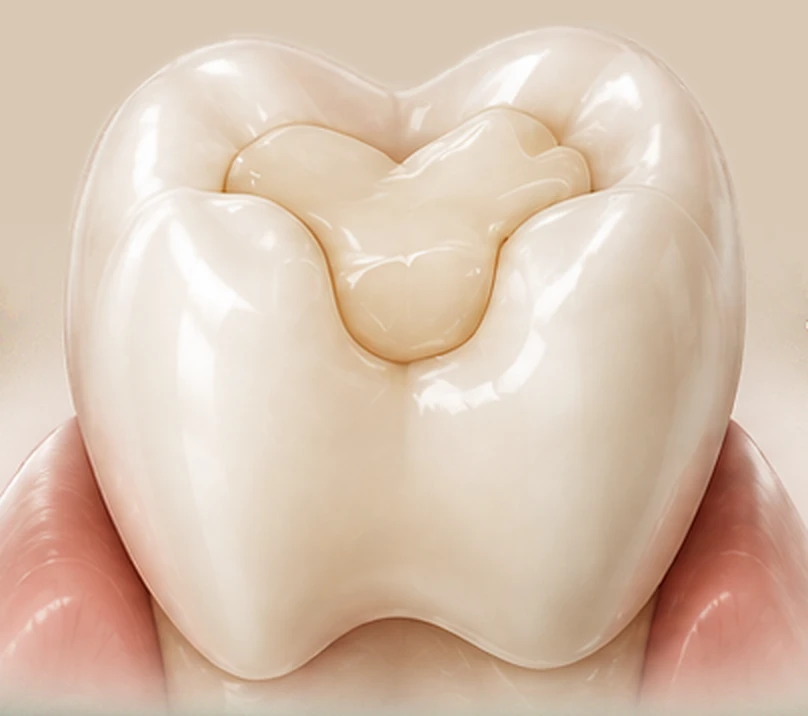
Ceramic Onlay
Selective cusp coverage
Protects weakened areas while preserving healthy tooth
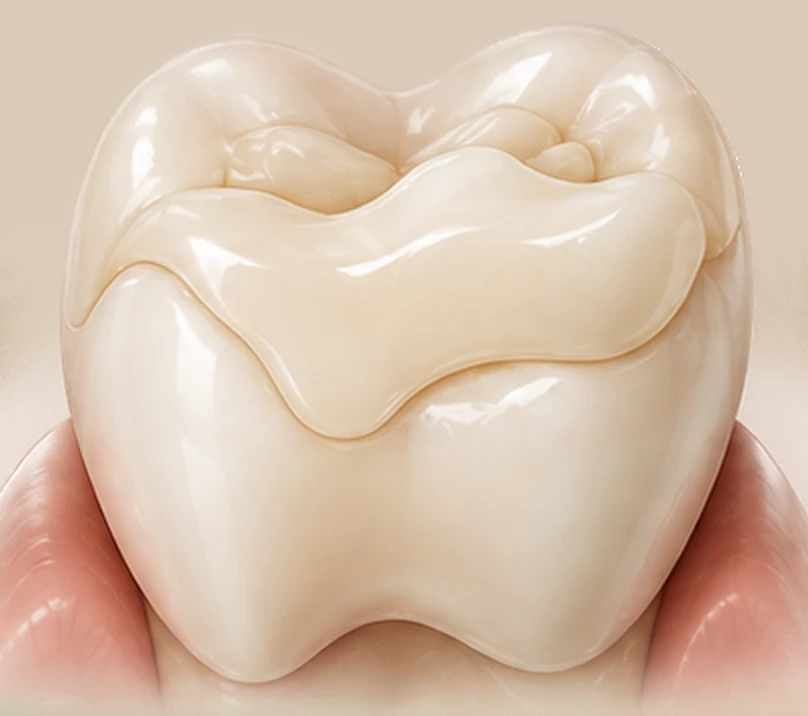
Biomimetic Crown
Full coverage when structurally indicated
Maximum protection / least remaining exposed enamel
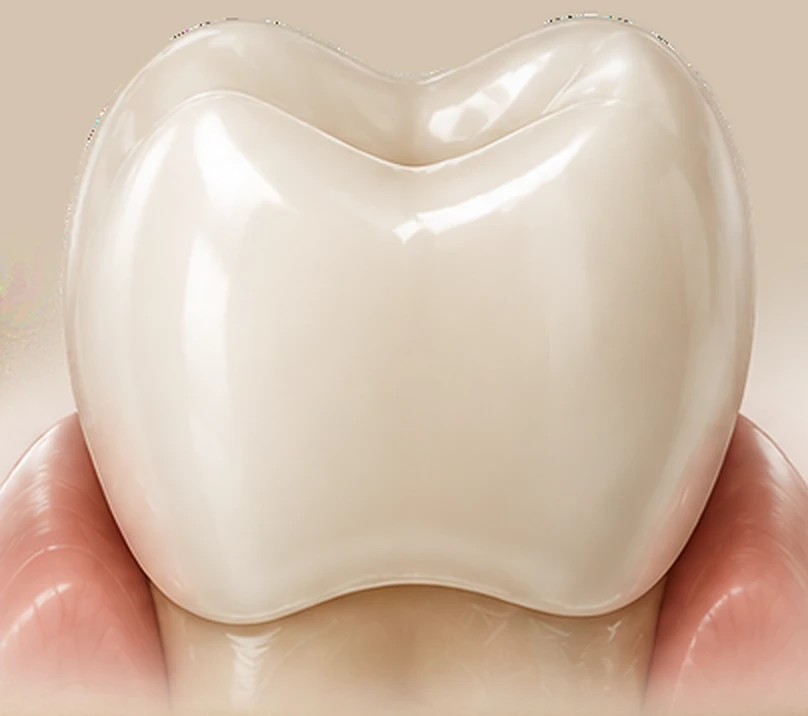
As the restoration moves from direct composite to ceramic inlay, ceramic onlay and biomimetic crown, the enamel preserved goes from maximum to minimum and the coverage goes from minimal to full.
Why Preservation Matters
Healthy enamel is not renewable. Adhesive restorative techniques can allow damaged areas to be repaired while preserving more natural tooth structure when the clinical situation permits.
When More Coverage Is Appropriate
Cracks, extensive decay, large failing restorations, loss of cuspal support or other structural compromise may require greater coverage. The goal is not to avoid crowns at all costs — it is to use full coverage when the tooth actually needs it.
Structure tells us how much to restore. Function tells us how it needs to survive.
The approach · biomimetic, minimally invasive, metal-free
The Approach
Most dental offices restore teeth because they have to. At Smile Spot, we restore teeth as late as biology allows — and when we do, the restoration is engineered to protect what remains, not just fill the gap.
Dr. Sellappan's Kois Center training means every restorative decision starts with occlusal analysis — understanding how your bite distributes force before a single crown margin is designed.
Biomimetic First
Restorations mimic natural tooth structure — matching stiffness, translucency, and flex so the crown or filling moves with the tooth, not against it.
Minimally Invasive by Default
Preparation is guided by what needs to come off, not by an arbitrary margin. Healthy enamel is a finite resource — we protect every micron of it.
Metal-Free, Always
No amalgam. No alloys. Every material — E.max, zirconia, nanofilled composite — chosen for biological compatibility and optical realism.
Clinical Philosophy
Why Restorative Decisions Come Last
Before any restoration is placed, Dr. Sellappan asks: does this tooth actually need this procedure right now? The answer determines everything. A filling placed at the right moment lasts longer than a crown placed too early. A bridge designed with Kois occlusal data outlasts one placed on assumed bite forces. Restorative dentistry done well is deliberate — not reflexive.
Kois Center Graduate
The Occlusal Foundation
The Kois Center is one of the most rigorous post-doctoral dental programs in North America, with a curriculum centered on the biomechanics of occlusion — how the bite distributes force across every tooth. Dr. Sellappan completed this curriculum as part of her commitment to restorative dentistry that holds up over decades, not just years.
Restorative DentistrySmile Spot DentistryVenice Island, Florida
Which Service Is Right for You? — One damaged tooth. Or a whole system.
Restorative treatment depends on what remains — not simply what is missing. The amount of healthy tooth structure, condition of the root, supporting bone and gums, and the forces of your bite all influence the most conservative path forward.
-
Small Damage
Preserve the tooth.
Decay, a small fracture or a failing restoration with substantial healthy structure remaining.
Metal-Free Fillings — details
Conservative Restoration
Metal-Free Fillings
Nanofilled composite resin bonded directly to the tooth — no amalgam, no metal shadow through the enamel. Smile Spot fillings restore the exact contour and shade of what was lost. Adhesive bonding means we remove only what's decayed, nothing more.
- Decay limited to less than 50% of tooth structure
- Small to moderate cavities
- Replacement of existing amalgam fillings
-
Weakened Tooth
Protect what remains.
A cracked tooth, large failing filling, root-canal-treated tooth or substantial structural loss.
Bio-Mimetic Crowns — details
Structural Repair
Bio-Mimetic Crowns
When more than 50% of tooth structure is lost — from decay, fracture, or a failed filling — a crown redistributes occlusal force across the full circumference of the tooth. At Smile Spot, every crown is all-ceramic, Kois-margined, and fitted by iTero digital impression.
- Cracked, broken, or severely decayed teeth
- Post root canal protection
- Large failing restorations
-
One Missing Tooth
Replace the root — or span the space.
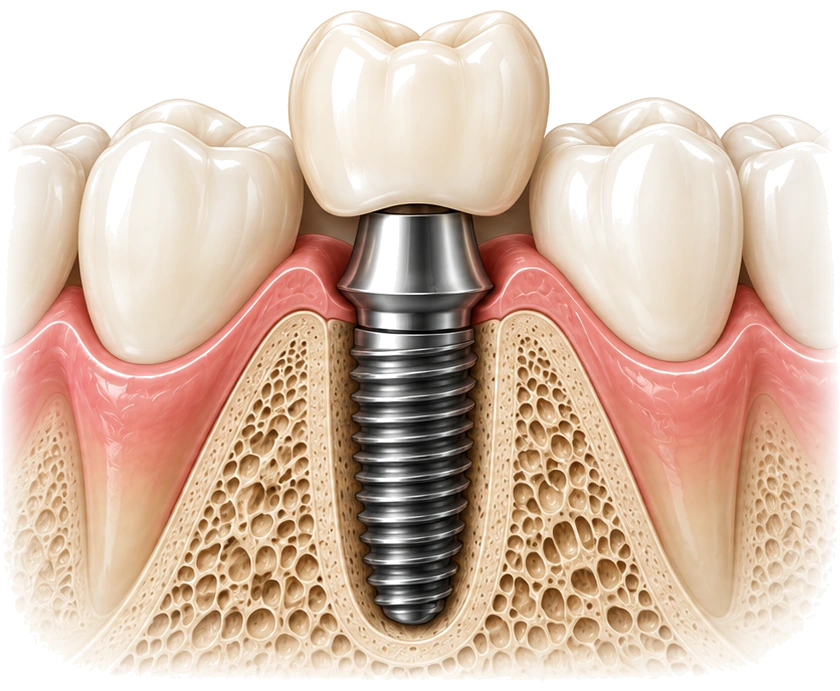
When the tooth and root are gone, the condition of the adjacent teeth and supporting bone changes the decision.
Dental Bridges — details
Gap Replacement
Dental Bridges
A dental bridge spans one or more missing teeth using adjacent teeth or implant posts as anchors. All-ceramic construction. Ovate pontic design for natural tissue emergence. When an implant is not possible — or adjacent teeth already need crowns — a bridge is the engineered solution.
- One or more consecutive missing teeth
- Adjacent teeth requiring restorative work
- Bone loss preventing implant without grafting
-
Multiple Missing Teeth
Restore an arch.
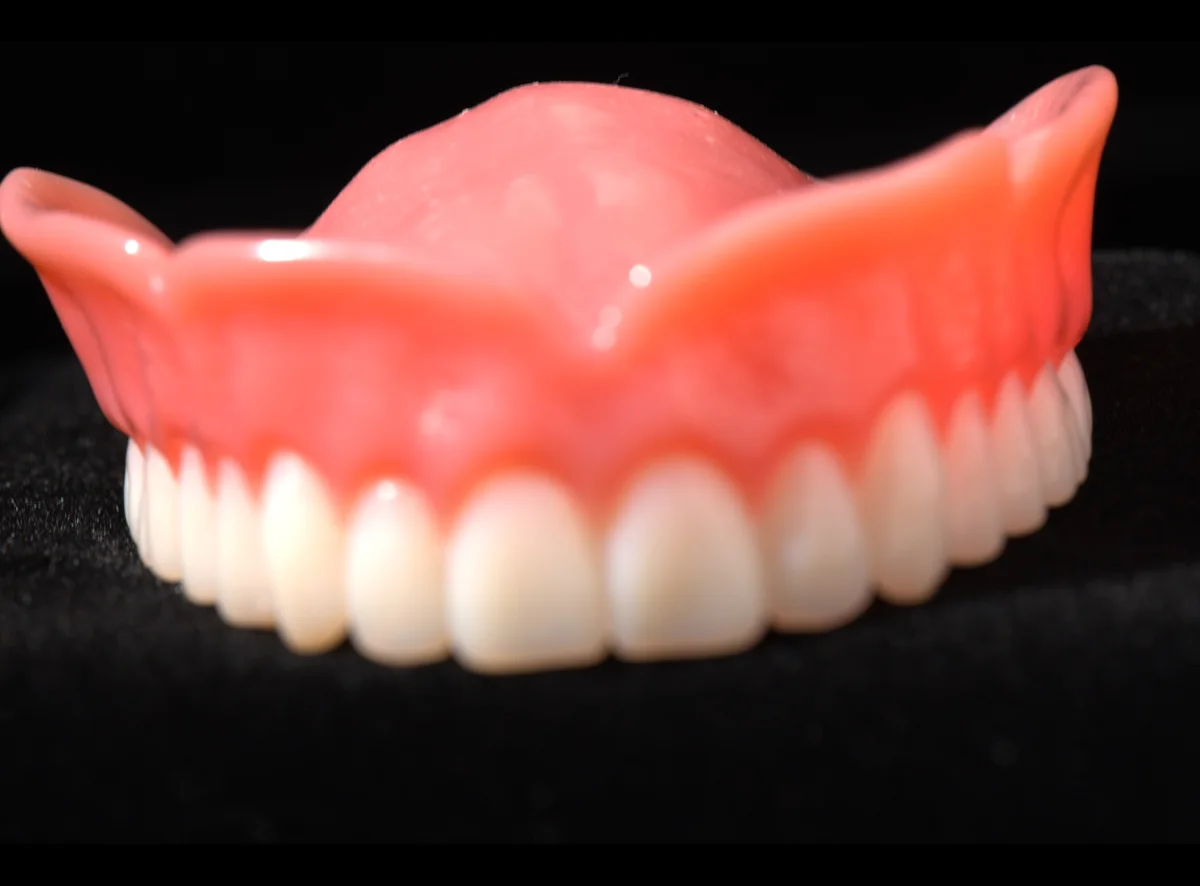
When several or most teeth are missing or no longer predictable.
Custom Aesthetic Dentures — details
Full-Arch Replacement
Custom Aesthetic Dentures
When most or all teeth are absent, a precision-fabricated denture restores function, lip support, and smile aesthetics. Smile Spot dentures are fabricated with individual tooth characterization — each arch is a bespoke prosthesis, not a template. Implant-supported options available.
- Multiple or total tooth loss across an arch
- Patients preferring non-surgical full-arch solution
- Transitional prosthetics during implant healing
-
System-Wide Breakdown
Rebuild in the right sequence.
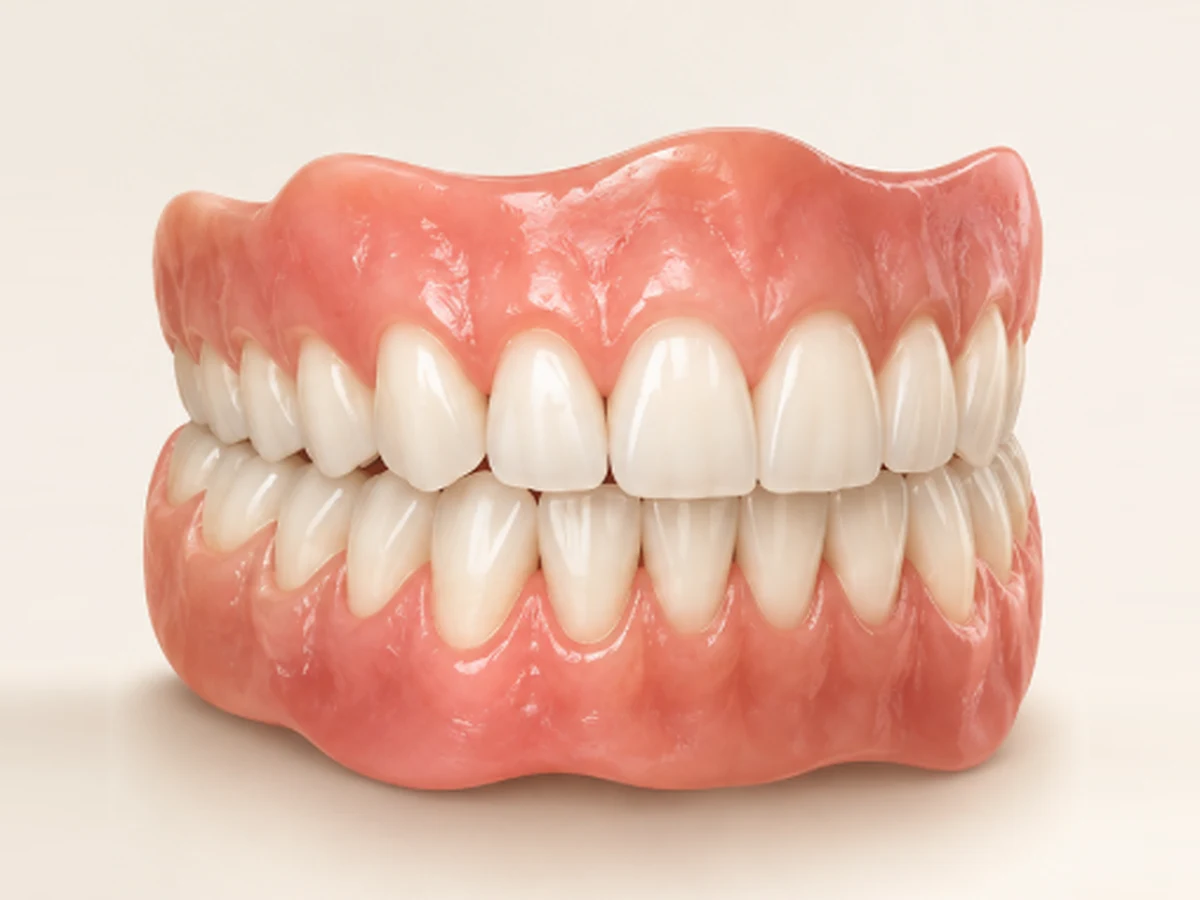
Widespread wear, fractures, failing dentistry, bite collapse or damage involving multiple areas.
Starting pointFull Mouth ReconstructionFull Mouth Reconstruction — details
Comprehensive Rehabilitation
Full Mouth Reconstruction
When damage, decay, or wear affects the full dentition, restorative work must be sequenced as a system — not piecemealed. Full mouth reconstruction at Smile Spot is built on a Kois occlusal foundation: bite corrected first, structure restored second, aesthetics refined last.
- Worn, fractured, or failing teeth across multiple arches
- Bite collapse or significant vertical dimension loss
- Multiple services required in coordinated sequence
When One Service Isn't Enough
Multiple Failing Teeth Require a System, Not a Sequence.
If damage, wear, or decay has affected teeth across both arches — or if your vertical bite dimension has collapsed — individual restorations placed without a master plan will fail prematurely. Full mouth reconstruction coordinates implants, crowns, bite therapy, and aesthetic refinement into a single engineered outcome. The Kois occlusal foundation is built first. Everything else follows.
See Full Mouth Reconstruction →
The diagnosis determines the restoration — not the other way around.
Your consultation confirms the right pathRestorative dentistry in Venice, Florida
Clinical decision guide · the full table
Five Restorative Services
Every Path Back to a Complete Smile.
Whether you have a cracked molar, a gap from a missing tooth, or decades of wear across an entire arch — there is a restorative solution built for your specific anatomy. Each page below goes deep on clinical detail, material science, and what to expect.
Clinical Decision Guide
The right restoration depends on how much structure remains, whether the root is intact, and how many teeth are involved. This is a starting framework — your consultation will confirm the plan.
| Clinical Situation | Best Starting Point | Clinical Rationale |
|---|---|---|
| Small to moderate cavity — root intact, <50% structure lost | FillingMetal-Free Fillings | Adhesive composite preserves maximum healthy tooth. No preparation beyond caries removal. Least invasive option. Correct timing prevents early escalation to crown. |
| Cracked tooth, large failing filling, or post-root canal — >50% structure compromised | CrownBio-Mimetic Crowns | Once a tooth loses more than half its structural integrity, a full-coverage crown redistributes occlusal force and protects remaining walls from catastrophic fracture. |
| Single missing tooth — root gone, adjacent teeth healthy | Implant FirstDental Implants | A single implant preserves adjacent teeth, maintains bone volume, and carries a 20+ year track record. Bridge is considered when implant is not feasible. |
| Single missing tooth — adjacent teeth need crowns anyway, or bone loss present | BridgeDental Bridges | When adjacent teeth already require restorative work, a three-unit bridge is a clinically sound and more economical path than two crowns plus a separate implant procedure. |
| Multiple missing or failing teeth — most or all in an arch | DenturesCustom Dentures | When implant placement is not preferred or feasible, a precision-fabricated complete or partial denture restores function and aesthetics. Can later transition to implant-retained. |
| Multiple teeth compromised across arches — bite collapse, wear, or systemic decay | FMRFull Mouth Recon | Full mouth reconstruction sequences bite correction, structural restoration, and aesthetic refinement as a planned system. Kois occlusal analysis required before any treatment begins. |
The honest note: this table is a guide, not a diagnosis. Two teeth with identical X-rays can require different treatments depending on bite force distribution, bone quality, and patient health history. Dr. Sellappan will always walk you through every appropriate option — and the reasons behind the recommendation — before any treatment is planned.
The Kois Difference · We fix why teeth break — Designed as a whole. Built to last.
Before Dr. Sellappan restores a tooth, she evaluates the risks that can affect how that restoration functions and ages. Her Kois Center training provides a systematic framework for looking beyond the damaged tooth to its structural, periodontal, functional and aesthetic environment.
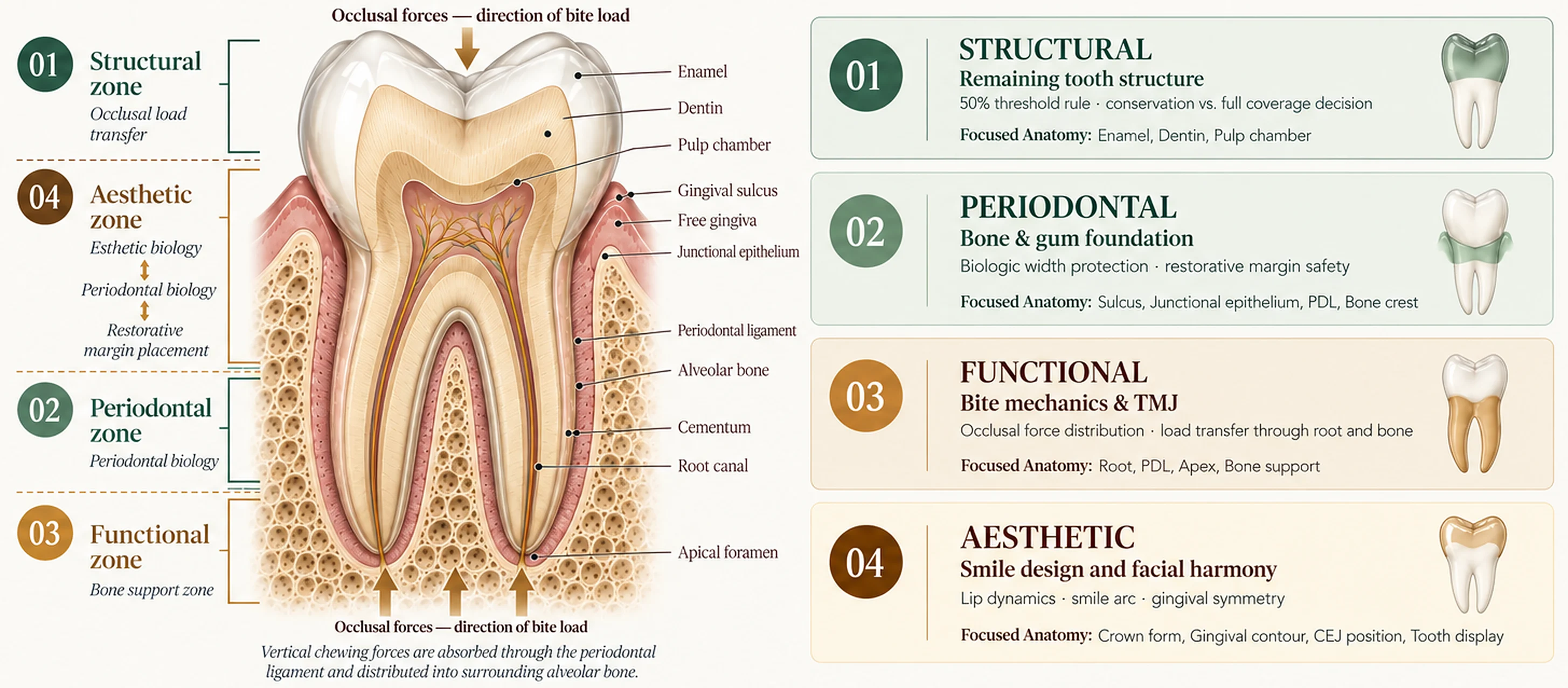
Four questions. One treatment plan.
Structural — What structure remains? Periodontal — Is the foundation healthy, including the biologic width around restoration margins? Functional — How does the bite, including the TMJ, distribute force? Aesthetic — How should the restoration integrate with the smile and face?
Understand the risk. Protect the foundation. Restore with intention.
Kois-inspired restorative dentistrySmile Spot DentistryVenice, Florida
The four risk categories & clinical protocols — full detail
Kois Center · Risk-First Protocol
We Fix Why Your Teeth Break — Before We Rebuild Them.
Before Dr. Sellappan designs a single crown, onlay, or veneer, she systematically evaluates and minimizes risk across four clinical categories. This is the foundation of restorations that last — not a checklist, but a trained methodology that changes what gets built, how it's built, and why it holds up over decades.
Structural Integrity
The Individual Tooth
Maximize conservation · Evaluate before committing
How much natural tooth structure remains — and how much can be saved? Rather than automatically cutting a tooth down for a full crown, Dr. Sellappan evaluates remaining dentin and enamel first. Conservative, biomimetic restorations like ceramic onlays are chosen when the data supports it. Structure is only removed because it needs to be, not because it's habit.
Periodontal Risk
The Foundation
Bone stability first · Protect the gum seal
Restorations can only be predictable if the bone and gum tissue supporting them are healthy and stable. This includes respecting the biologic width — the natural seal of gum tissue around each tooth. A restoration margin placed too deep beneath the gum line triggers chronic inflammation. Dr. Sellappan's margins are placed to protect your attachment apparatus, not compromise it.
Functional Occlusion
The Bite Mechanics
Chew paths mapped · Destructive forces eliminated
Teeth don't bite straight up and down — they travel along dynamic chewing pathways that involve jaw joints, muscles, and tooth contacts simultaneously. Dr. Sellappan locates micro-interferences in your chewing pathway that most dentists never examine. By optimizing bite mechanics before and during treatment, your porcelain restorations are never subjected to destructive forces that cause premature fracturing, chipping, or joint pain.
Dentofacial Aesthetics
The Smile Design
Facially driven · Not a lab template
The position, length, and display of your teeth is determined by your unique facial structures — lip dynamics at rest and during a full smile, facial midlines, and smile arc curvature. Not a generic laboratory template. Dr. Sellappan establishes ideal incisal edge position based on your specific anatomy, so the result looks natural from every angle, under every lighting condition.
Clinical Protocol
Bite Deprogramming
& Centric Relation
We temporarily disconnect your muscle memory using a custom clinical deprogrammer. This relaxes your facial muscles, allowing Dr. Sellappan to find the natural, completely stress-free seating position of your jaw joint. Your restorations are built on a perfectly stable foundation — not on a bite pattern distorted by years of compensatory muscle tension.
Clinical Protocol
Digital Force
Management
We analyze your chewing pathways to locate micro-interferences invisible to standard clinical exam. By optimizing your bite mechanics before and throughout your restorative treatment, your new porcelain restorations are never subjected to destructive lateral forces that cause premature fracturing, chipping, or joint pain years after placement.
Clinical Protocol
Systematic Treatment
Sequencing
Instead of patching teeth piece-by-piece, your treatment follows a predictable, step-by-step sequence. Structural, functional, and periodontal foundations are stabilized first. Aesthetic refinement comes last — so your final cosmetic result is supported by a clinical foundation engineered to last for decades, not a few years.
Material Science · The Materials Behind Every Restoration — The strongest material isn’t always the right material.
Restorative materials behave differently under force and light. Dr. Sellappan selects ceramic or composite according to where the restoration sits, how your bite loads it, how much natural tooth remains and how visible the restoration will be.
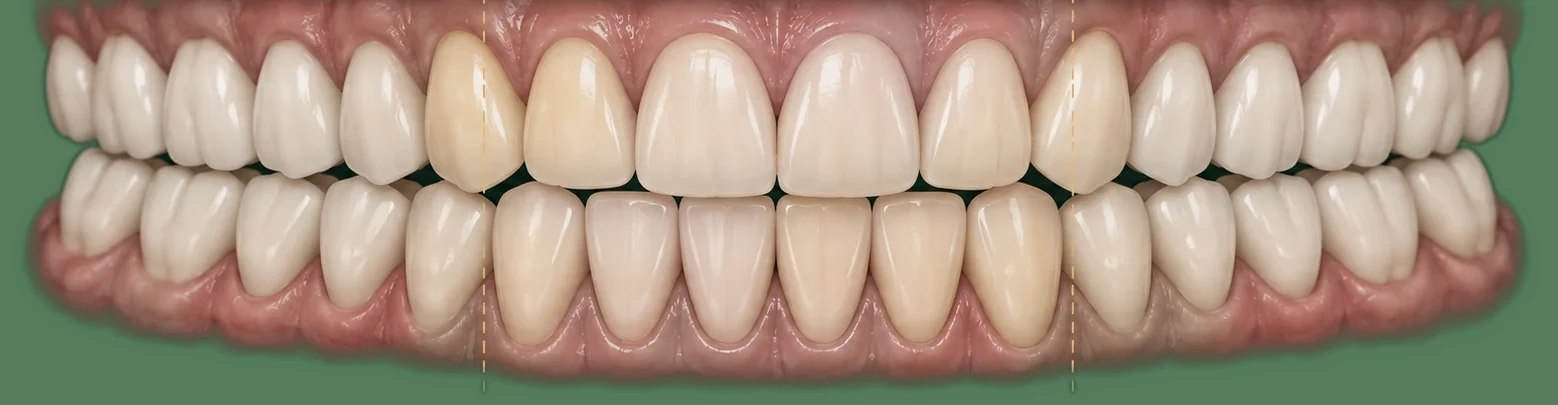
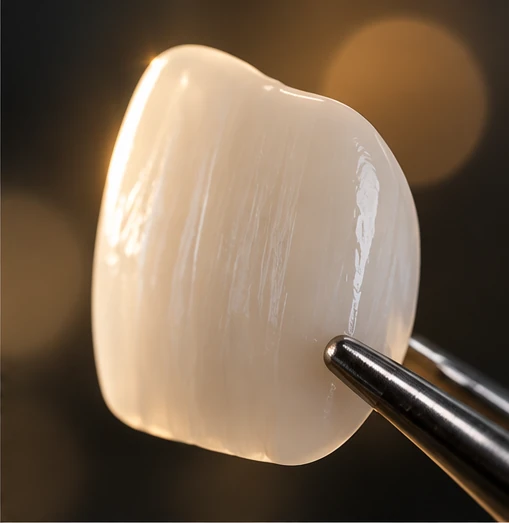
Monolithic Zirconia
Strength where it matters
High-strength ceramic with excellent fracture resistance for posterior teeth where bite forces are greatest.
- Molars & premolars
- High load
- Long-term durability
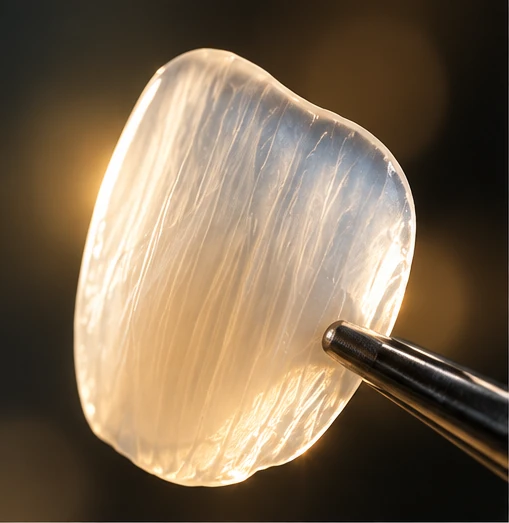
E.max
Beauty in the aesthetic zone
High-translucency ceramic selected for its natural appearance and ability to blend seamlessly with surrounding teeth.
- Front teeth
- Natural esthetics
- Proven performance
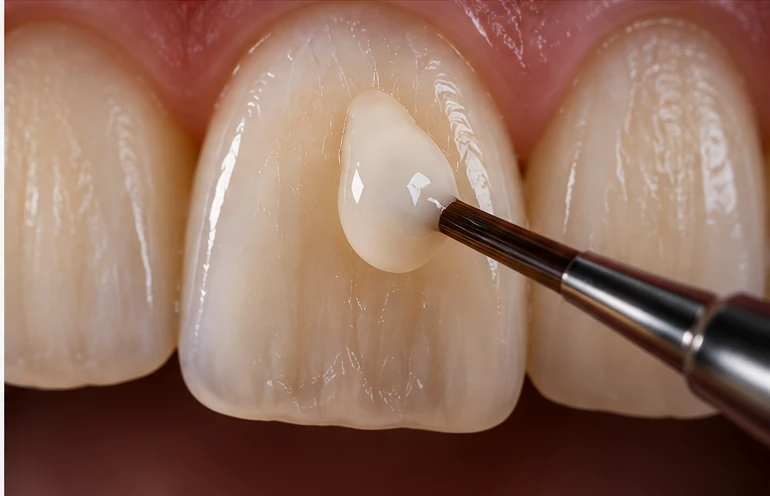
Nanofilled Composite
Conservative. Versatile. Reliable.
Adhesively bonded material for smaller restorations where preserving healthy enamel and dentin is the priority.
- Small restorations
- Conservative
- Tooth-colored
Material Follows Function
A front tooth and a posterior molar do not experience the same forces or aesthetic demands. Neither should automatically receive the same restorative material.
Material science · strength, translucency & uses — full detail
Material Science
The Materials Behind Every Restoration
Smile Spot uses only materials with documented long-term clinical outcomes. No metal. No compromise. Selection depends on the load zone, the span, and the aesthetic demand — and it is always explained before treatment begins.
Pressed glass-ceramic with exceptional light transmission — virtually indistinguishable from natural enamel under clinical lighting. Flexural strength of 400 MPa. Material of choice when aesthetics are the primary demand and load forces are moderate.
Monolithic or layered zirconia offers flexural strength exceeding 1,000 MPa — the highest of any dental ceramic. BruxZir or multilayer zirconia for cases where bite force, bruxism, or long spans require structural priority over light transmission.
Modern nanofilled composites achieve surface smoothness and color stability not possible with earlier generations. Placed incrementally and light-cured, they bond chemically and mechanically to enamel and dentin — restoring the tooth without removing additional structure.
Thoughtful material selection. Lasting results.
Restorative dentistry in Venice, Florida · Smile Spot Dentistry
The Digital Restorative Workflow — Planned digitally. Finished by hand.
Digital dentistry gives Dr. Sellappan more information at every stage — from understanding the tooth and bite to communicating with the laboratory and verifying the final restoration. Technology supports the decision; clinical judgment still drives it. See the Digital Lab.
More information.
Better decisions.
Longer-lasting results.
-
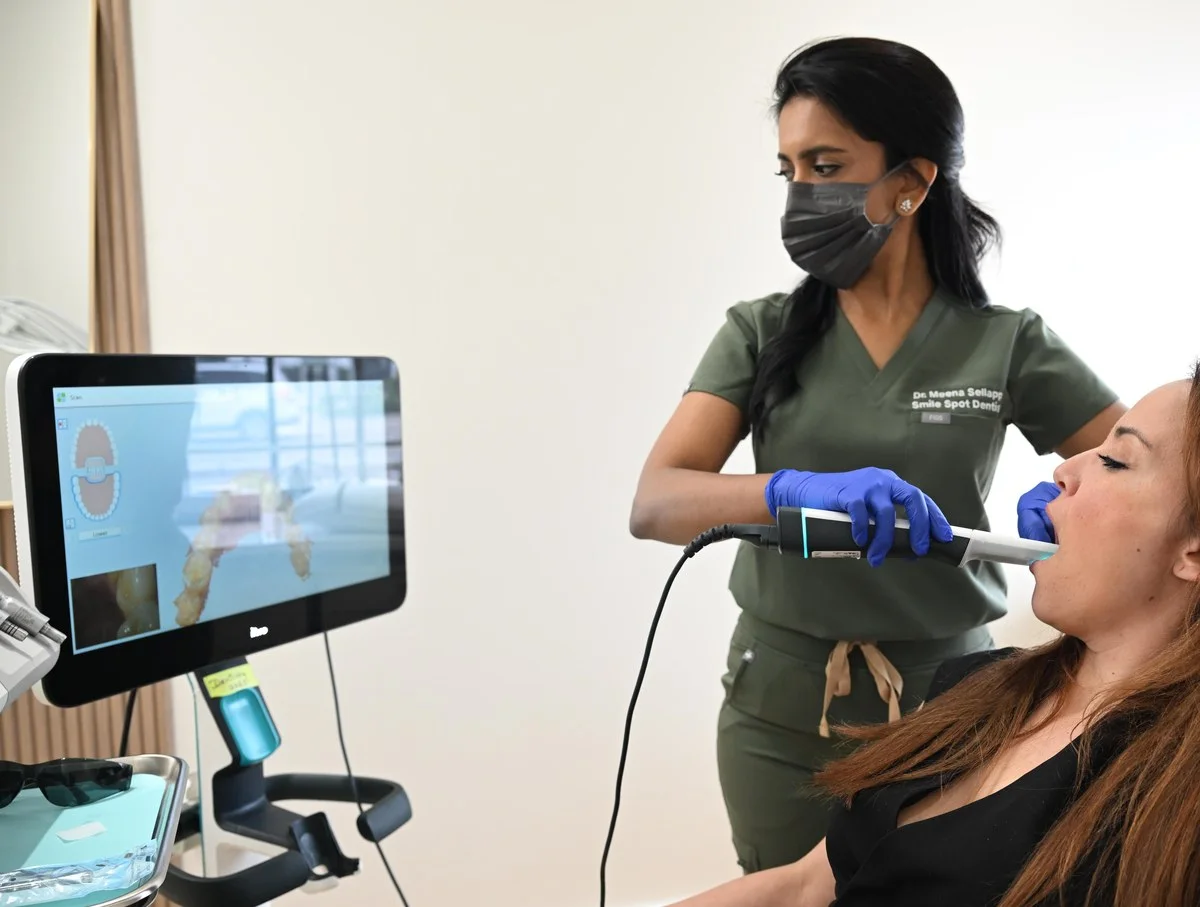
Capture
iTero Digital Scan
Digital impressions capture the prepared tooth, neighboring teeth and bite without conventional impression material.
- Fast and comfortable
- Highly accurate
- Full-arch bite capture
-
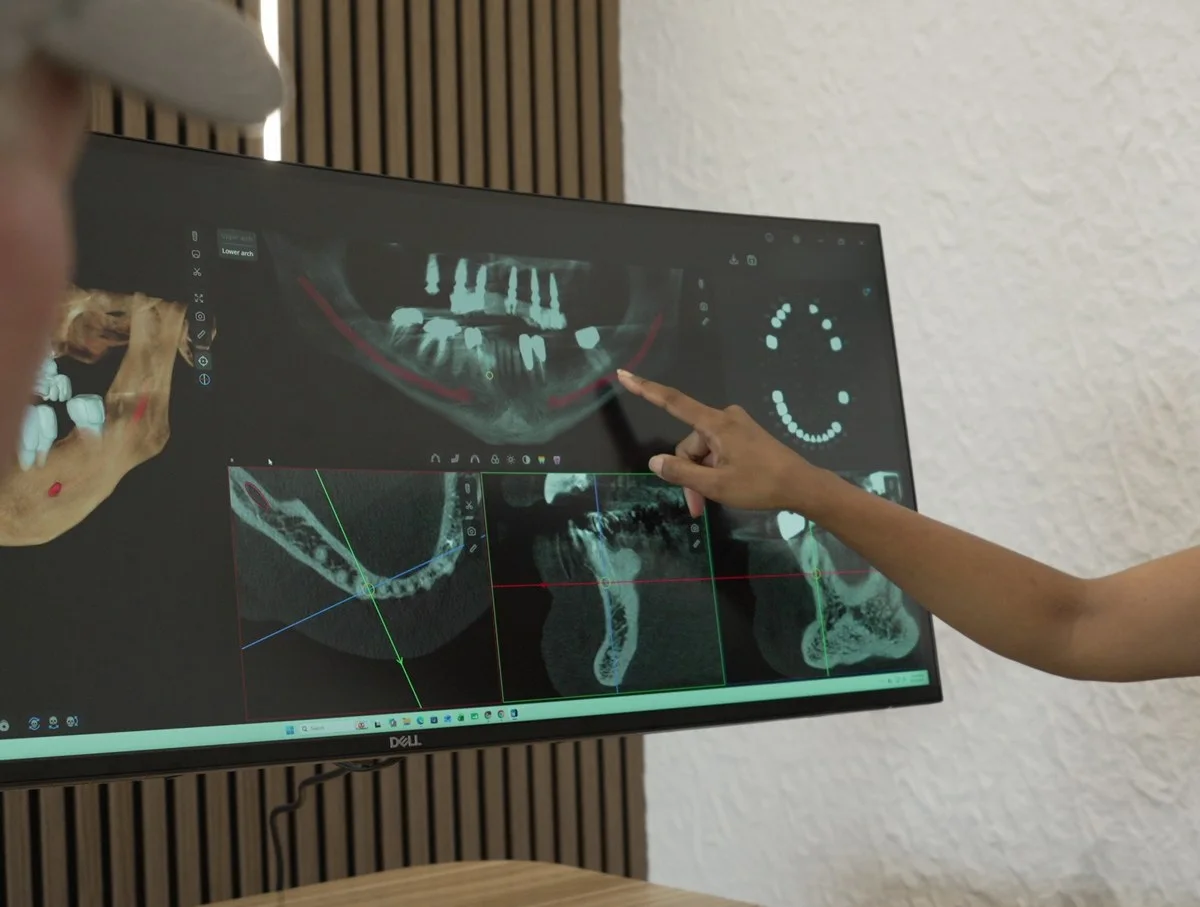
Understand
Diagnosis + Functional Planning
We evaluate radiographs, tooth structure, periodontal health, occlusion and bite mechanics using the Kois framework. Additional AI analysis with Pearl is used when appropriate to support radiographic evaluation.
- Comprehensive evaluation
- Kois functional analysis
- AI review when relevant
- Identify risk factors early
-
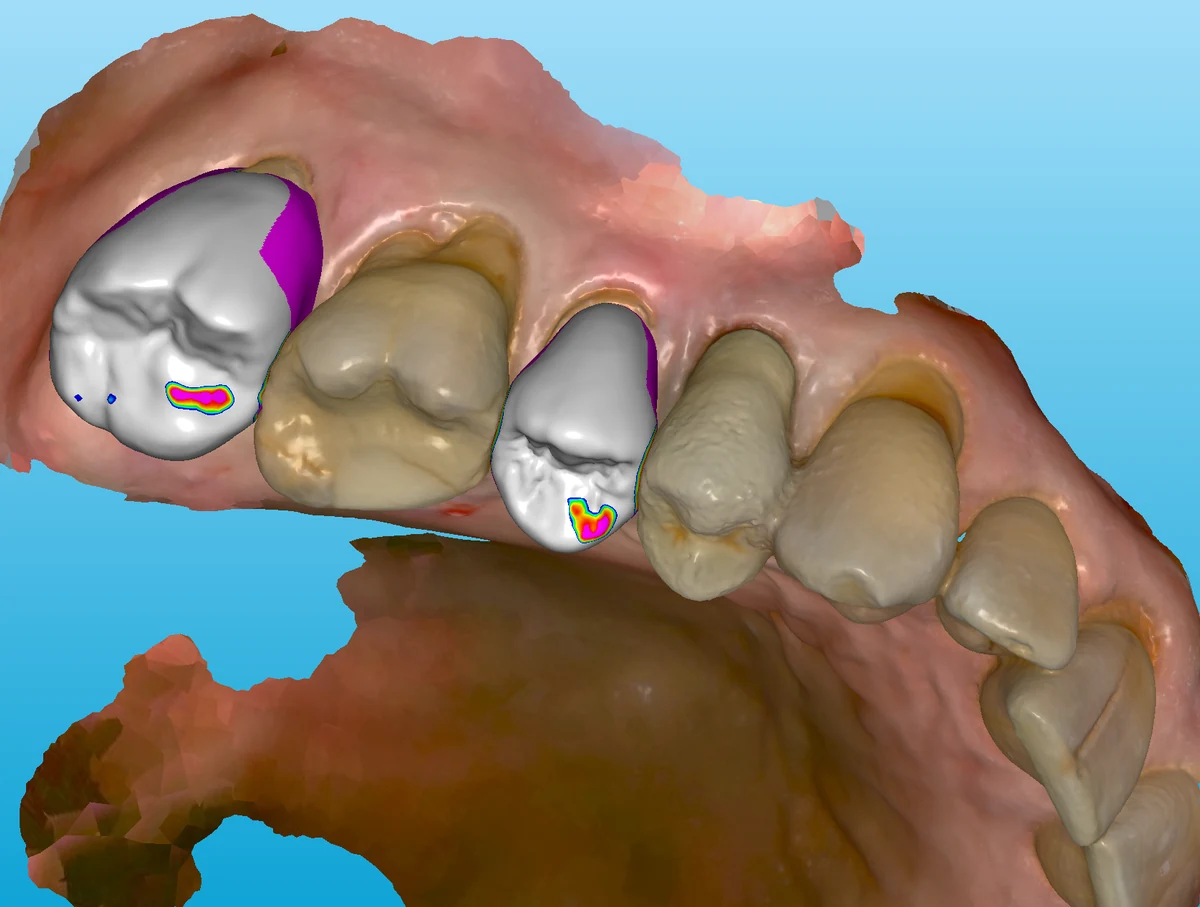
Design
Restoration Planning
We design the restoration with precise shape, contacts, material selection and occlusion in mind. Digital planning allows clear communication with our laboratory and helps verify that the design supports both function and aesthetics.
- Digital design and communication
- Planned contacts and bite
- Material selection by indication
- Preview the design before fabrication
-
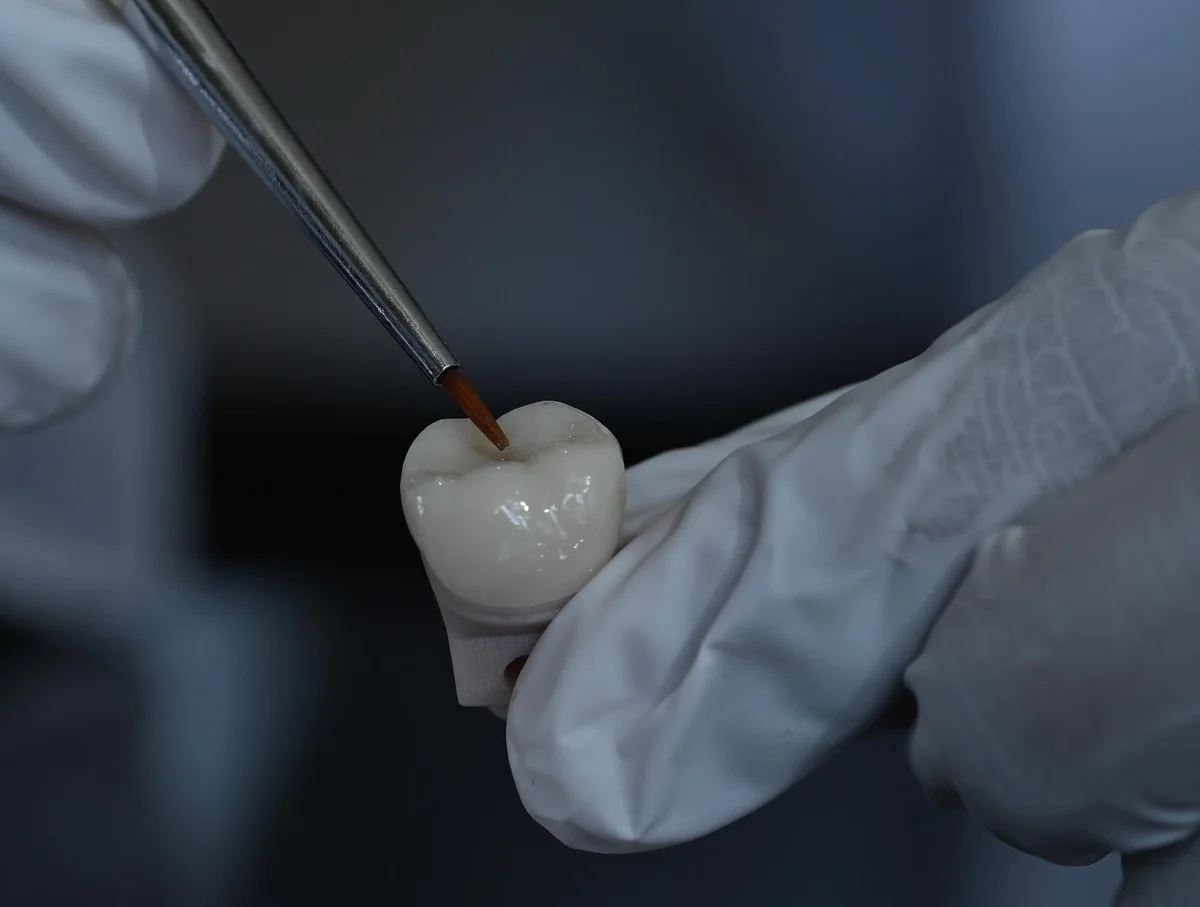
Verify
Seat. Check. Refine.
Fit, margins, contacts and occlusion are evaluated before final delivery. The restoration isn’t finished simply because it fits — it has to function correctly within the bite and feel natural.
- Verify fit and margins
- Check contacts and occlusion
- Make any necessary refinements
- Support long-term success
The digital restorative workflow · technical detail
No putty, no trays, no gagging. An intraoral wand captures 6,000 frames per second, building a sub-micron accurate 3D model of the preparation and adjacent anatomy sent digitally to the lab.
Before any restoration is designed, bite force vectors are analyzed using Kois deprogrammer data. The restoration is engineered to function within — not fight against — the patient's natural occlusal pattern.
Pearl AI analyzes X-rays for early pathology, margin gaps, and interproximal decay the naked eye may miss. Restoration decisions are made on complete clinical data, not incomplete information.
Final restoration is seated with verified passive fit confirmed by bite registration. Occlusal contacts are mapped at seated position before permanent cementation. Nothing is cemented until the data confirms readiness.
Frequently Asked Questions — Restorative dentistry, answered.
Straightforward answers to the questions we hear most from patients about dental crowns, bridges, implants, fillings and full mouth reconstruction at Smile Spot Dentistry in Venice, FL.
Questions patients ask before their first restorative consultation. Honest, clinical answers — no marketing.
Treatment Decisions
Right treatment. Right time.
Restorative dentistry repairs or replaces damaged, decayed, or missing teeth using procedures such as crowns, bridges, fillings, and dentures. The goal is to restore function, structural integrity, and aesthetics — so you can eat, speak, and smile without limitation.
The right procedure depends on how much tooth structure remains, whether the root is intact, how many teeth are involved, and how your bite distributes force. At your consultation, Dr. Sellappan will review your X-rays and iTero scan and walk you through every appropriate option — with the clinical reasoning — before any treatment is planned.
It depends on the neighboring teeth and the supporting bone. A single-tooth implant replaces the root and does not require reshaping the teeth on either side, so it is often the first choice when bone and overall health allow. A dental bridge can be the better option when the adjacent teeth already need crowns, or when bone loss would require grafting before an implant. Dr. Sellappan reviews both options with you before recommending one.
Full mouth reconstruction is considered when damage, wear, decay or missing teeth affect many teeth across both arches — or when the bite has collapsed — so that individual repairs would not hold up on their own. Treatment is planned as one coordinated system: the bite and supporting structures are stabilized first, then the teeth are restored and the aesthetics refined.
Materials & Experience
Materials, lifespan & practical questions.
Yes — fully. Smile Spot is a metal-free practice. Every restoration is fabricated from ceramic, zirconia, or composite resin. No amalgam fillings, no metal alloys, no porcelain-fused-to-metal crowns. Materials are chosen for biological compatibility and optical realism.
There’s no fixed lifespan for a restoration. With good home care, regular checkups and a balanced bite, many all-ceramic crowns and bridges last 10–15 years or longer, and composite fillings often last 5–10 years or more, depending on size, location and bite forces. Zirconia-based restorations have shown exceptional longevity in long-term clinical studies. Lifespan depends on bite force distribution, home care quality, and precision of the original placement — which is why occlusal analysis before treatment matters as much as material selection.
Cost depends on the type of restoration, the material, how many teeth are involved and your insurance coverage. After your exam, Smile Spot Dentistry in Venice, FL gives you a treatment plan with fees and an estimate of your out-of-pocket cost before any work begins. Financing is available through CareCredit and Cherry.
Most dental insurance plans include partial coverage for crowns, fillings, and bridges when clinically necessary. Coverage varies significantly by plan type, waiting periods, and annual maximums. Smile Spot works with most major PPO plans and will provide a pre-treatment benefits estimate before work begins. CareCredit and Cherry financing are available for balances not covered by insurance.
Still have a question?
We’re happy to help. Call our Venice office or request a consultation.
Restorative Dentistry · Venice, Florida — Your teeth deserve a plan, not a patch.
Whether you’re dealing with one damaged tooth, missing teeth, failing dental work or changes across your entire bite, your consultation begins by understanding the complete picture. Dr. Meenachi Sellappan will evaluate your teeth, supporting tissues and bite, explain the appropriate restorative options, and build a treatment plan around what you actually need.
- Personalized treatment plans
- Experienced, compassionate care
- On Venice Island
- Functional, natural results
What happens at your consultation
Schedule your restorative consultation at Smile Spot Dentistry on Venice Island. Dr. Sellappan will review your X-rays, map your bite, and give you a complete picture of what's happening — and exactly what can be done about it. No pressure. No surprises.
Smile Spot DentistryVenice, Florida
Smile Spot Dentistry273 S Tamiami Trail, Venice, FL 34285
Restorative DentistryCosmetic DentistryDental ImplantsFull Mouth Reconstruction
A healthier tomorrow looks brighter here.