Preventive Dentist · Venice, FL · Concierge Dental Hygiene

Not a Cleaning. A Diagnostic Event.

Every wellness visit at Smile Spot includes AI-assisted radiograph analysis and a dentist-led exam that looks beyond cavities to the inflammatory health of the whole system, with Innerview percussion diagnostics for early structural detection when indicated. The dental cleaning is the last thing we do — the diagnosis comes first. This is what preventive dentistry looks like when it’s done right.

Key Takeaways — More than a cleaning. A healthier you.

A preventive visit is an opportunity to understand what has changed, protect what is healthy, and support your long-term oral and overall health.

  1. Prevention Is Diagnostic

    Your wellness visit evaluates teeth, existing restorations, gums and supporting structures before professional cleaning begins.

  2. Gum Health Is Measured

    Periodontal charting tracks probing depths, bleeding, recession and changes in the tissues supporting your teeth.

  3. Technology Adds Another View

    Dental radiographs, Pearl AI-assisted analysis and Innerview QPD can provide additional information alongside Dr. Sellappan’s clinical examination.

  4. The Mouth Connects to the Body

    Periodontal inflammation and oral findings may provide information relevant to broader health and, when appropriate, physician follow-up.

Technology & systemic detail

Pearl · AI Diagnostics

Every radiograph is simultaneously read by Dr. Sellappan and Pearl AI. Findings are shown to you on screen with the AI overlay in real time.

Innerview · QPD

Innerview percussion diagnostics when indicated — detecting early tooth cracks, loose restorations, and structural micro-failures before they cause pain or show on X-rays. Zero radiation.

5 · Systemic Connections

Cardiovascular, diabetes, airway, acid reflux, oral cancer — Dr. Sellappan reads the mouth for what it reveals about the whole body.

Preventive dentistry and concierge dental hygiene at Smile Spot DentistryVenice, Florida

Professional Teeth Cleaning Is the Last Thing We Do — We look first. Then we clean.

Every wellness visit begins by understanding the health of your teeth, gums, restorations and supporting structures. Your findings determine what happens next — from routine preventive care to periodontal treatment or further evaluation when something needs attention.

  1. 01

    Look

    Clinical examination of your teeth, restorations, soft tissue and bite.

  2. 02

    Measure

    Periodontal charting tracks gum health and changes over time.

  3. 03

    See

    Radiographs + Pearl AI provide an additional diagnostic layer.

  4. 04

    Listen

    Innerview QPD can add structural information when indicated.

  5. 05

    Clean + Protect

    Professional hygiene removes biofilm and calculus and tailors your care.

Diagnosis first. Hygiene second. Prevention throughout.

Concierge hygiene · the full visit protocol

Concierge Hygiene · Preventive Dentistry Venice, FL

A standard hygiene appointment at a high-volume practice runs 45 minutes: X-rays, a visual check, a prophy, out the door. At Smile Spot, the appointment begins with a diagnostic protocol that many practices don’t routinely perform — and the professional teeth cleaning follows only once we understand exactly what we are maintaining.

This is not a longer appointment for the sake of feeling boutique. It is a longer appointment because the diagnostic steps take time and they are clinically necessary. Pearl AI reads your radiographs simultaneously with Dr. Sellappan, flagging findings at a resolution the human eye alone cannot consistently achieve. Innerview QPD percussion diagnostics delivers a 90-second full-mouth structural scan — detecting early tooth cracks, loose restorations, and implant micro-mobility that are invisible on X-rays and symptom-free until they fail. Together with full periodontal charting, these technologies give us a picture of your dental hygiene and structural health that was previously only available in a specialist’s office.

Book a Wellness Visit
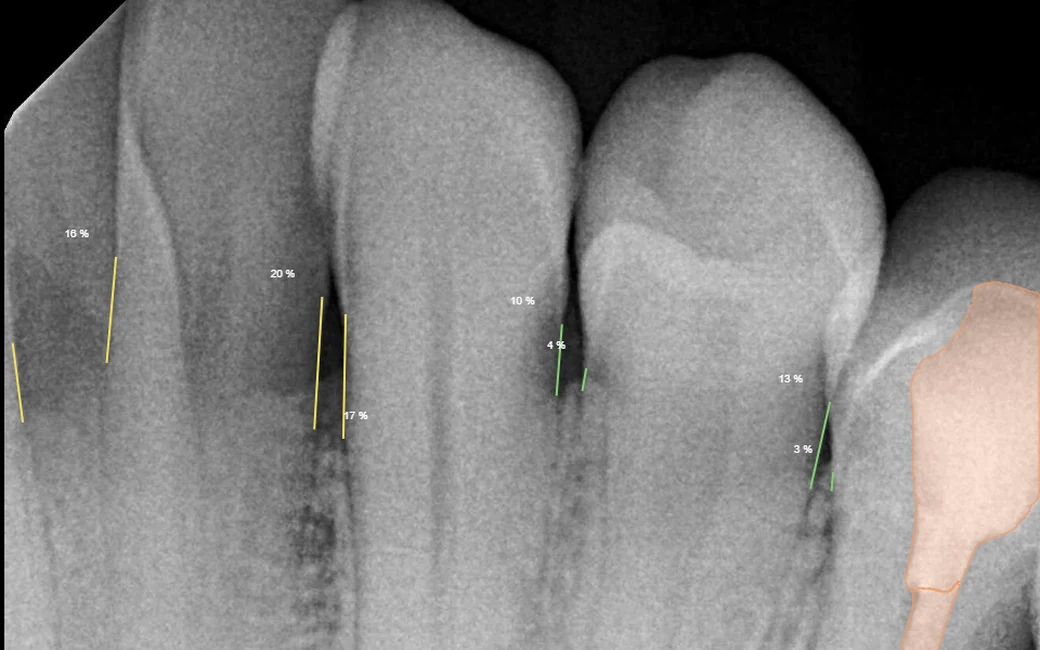
Pearl AI overlay marking bone levels and a restoration on a dental radiograph

What you see at your appointment: Your radiographs appear on screen with the Pearl AI overlay showing every finding — early caries, bone level changes, calculus, periapical changes — highlighted and categorised. Dr. Sellappan walks through each finding with you. You are not told what was found after the fact. You see it as it is found.

Every Concierge Hygiene Visit Includes
○
Pearl AI Radiograph Analysis
AI overlay shown in real time. Every finding discussed before you leave the chair.
○
Innerview QPD Structural Scan
90-second full-mouth percussion scan when indicated. Early cracks, loose restorations, and implant micro-mobility detected before symptoms appear. Trendline updated each visit.
○
Full Periodontal Charting
Six-point probing depths recorded. Bleeding on probing, recession, and mobility documented and tracked.
○
High-Magnification Restoration Check
Every restoration margin inspected under surgical loupes. Microscopic leaks caught before secondary decay begins.
○
Professional Prophylaxis
Ultrasonic and hand instrumentation by our dental hygienist. Selective polishing. Biofilm, plaque, and supragingival tartar removed.
○
Fluoride Treatment
Professional fluoride application at every visit. Enamel remineralization support to protect against tooth decay and strengthen enamel integrity.
○
Visual and tactile examination of all soft tissue. Every visit, without exception.
○
Oral-Systemic Review
Clinical findings communicated in the context of systemic health where relevant. Physician referral when indicated.
○
Personalised Home Care Plan
Specific recommendations for cavity prevention, managing bad breath (halitosis), and protecting gum recession based on your charting, your restorations, and your systemic health profile. Not a generic handout.

Early Detection · Diagnostic Technology — Some problems don’t hurt. Yet.

Advanced diagnostics help us find changes early — often before you feel anything — so we can protect your smile and your long-term health.

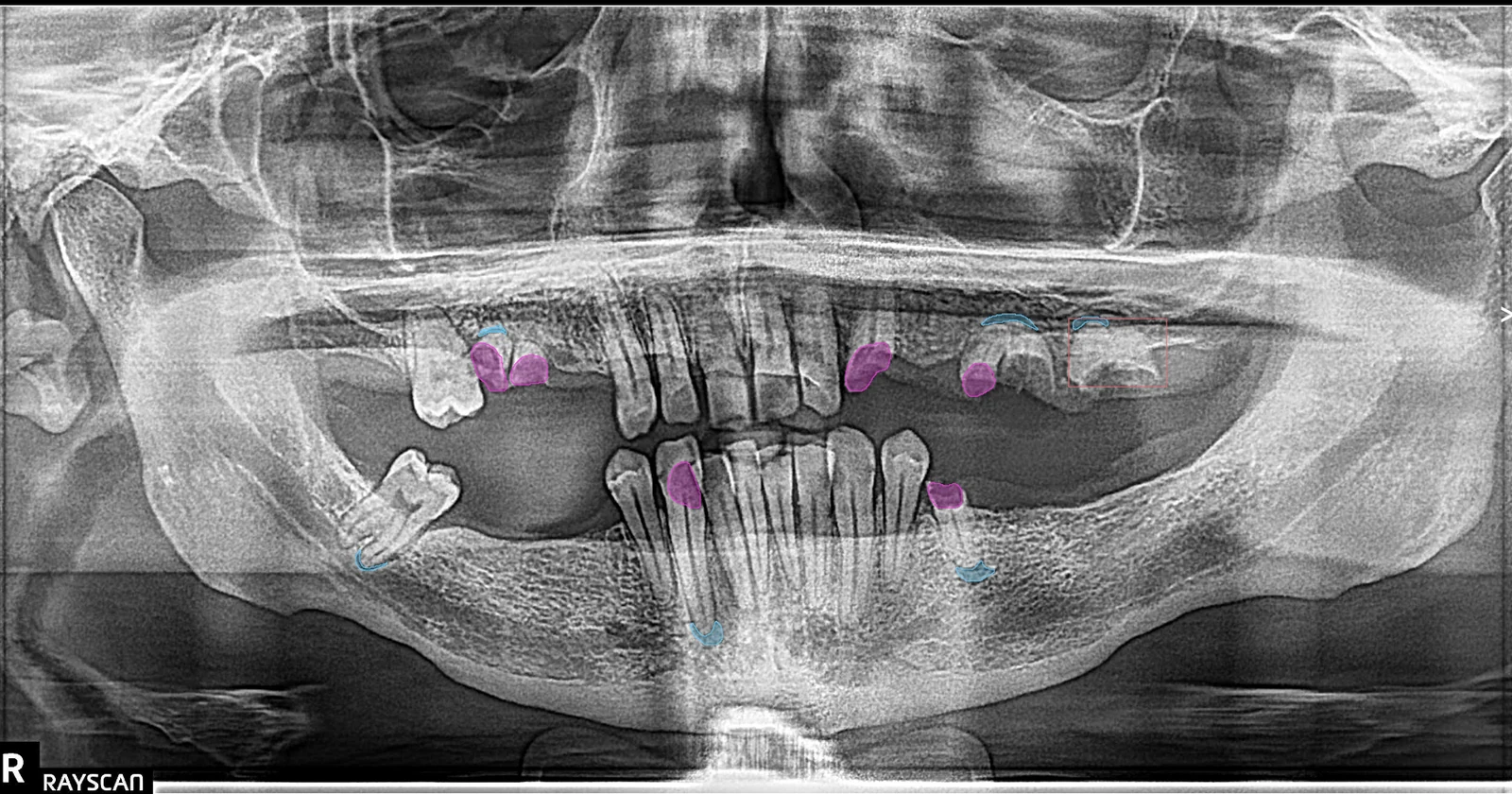
Pearl AI findings overlaid on a panoramic radiograph at Smile Spot Dentistry, Venice FL

01Pearl AI

A second view of your radiographs.

Pearl AI analyzes your dental radiographs to help identify potential findings such as interproximal caries, bone-level changes, calculus and periapical findings. Dr. Sellappan clinically reviews every image and uses the AI analysis as an additional diagnostic layer — helping make sure nothing important is overlooked.

  • Detects findings early
  • Highlights areas of concern
  • Supports more precise treatment planning
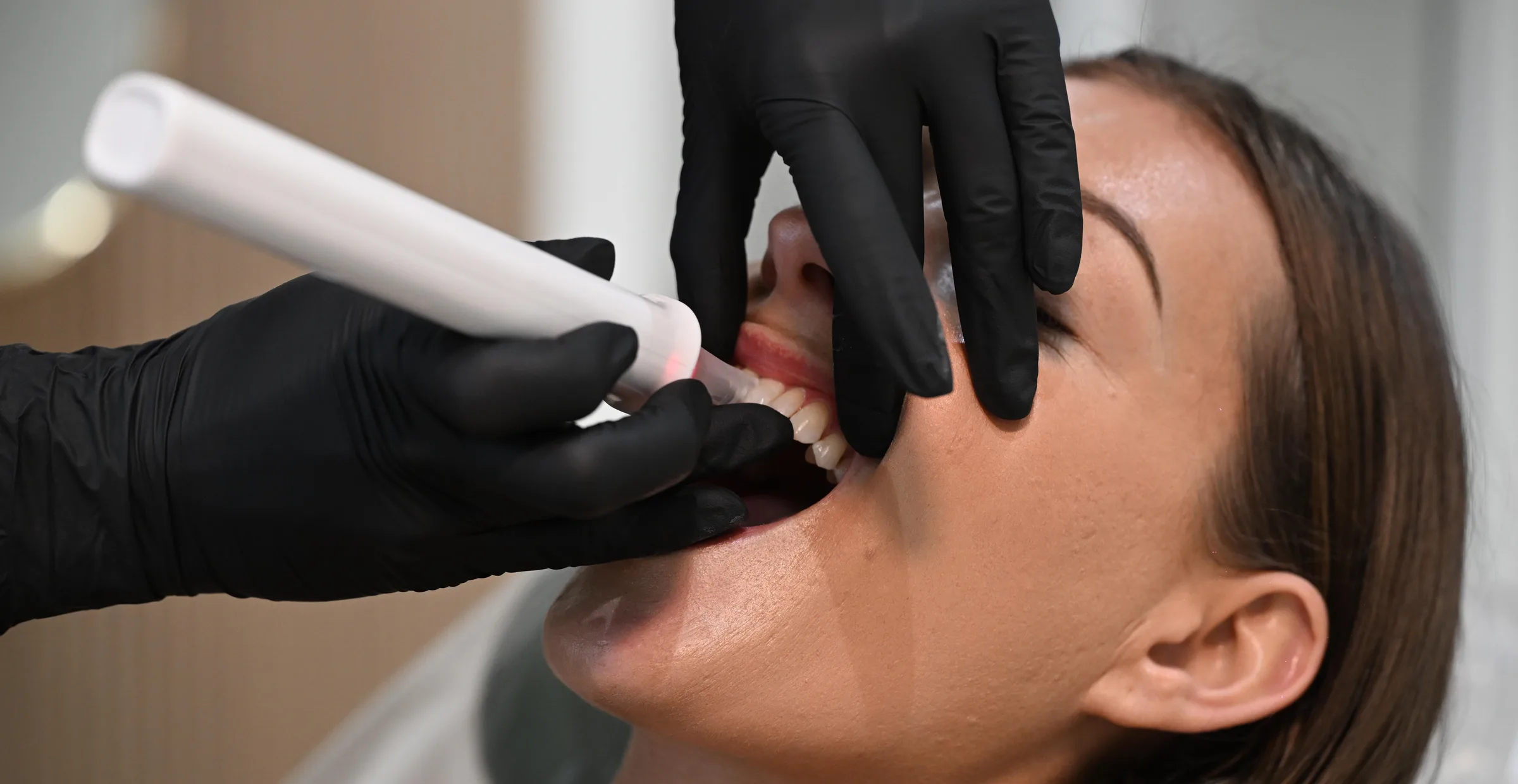
Innerview QPD percussion diagnostics at Smile Spot Dentistry, Venice FL

02Innerview QPD

Structural information an X-ray may not show.

Innerview uses Quantitative Percussion Diagnostics (QPD) to measure how your teeth, restorations and implants respond to a gentle, precise tap. These measurements can provide additional information about structural changes and help us monitor stability over time.

  • Helps detect structural changes
  • Useful for natural teeth, restorations and implants
  • Allows for objective measurements and trending

More information means better decisions — for today and tomorrow.

Pearl AI & Innerview QPD · clinical detail
Artificial Intelligence · Radiology
Pearl AI Diagnostics
Every radiograph · Every visit

Pearl is an FDA-cleared AI system trained on millions of dental radiographs. It reads your X-rays simultaneously with Dr. Sellappan, identifying findings — early interproximal caries (tooth decay between teeth), bone level changes, tartar deposits, periapical pathology — with a consistency and resolution that supplements human clinical judgment. The AI findings are overlaid on your radiographs in real time and shown to you on screen during the appointment.

Two readers on every image. The AI catches early cavities and bone changes the eye can miss at initial stage. Early detection is the only thing that keeps small problems from becoming large ones.
Percussion Diagnostics · Structural Integrity
Innerview QPD
FDA-cleared · When indicated

Innerview is an FDA-cleared Quantitative Percussion Diagnostics (QPD) system. It delivers gentle micro-percussive taps across every tooth and implant in a 90-second full-mouth scan, measuring “internal mobility” — micro-movements within the tooth structure that signal early cracks, unbonded restorations, or implant loosening. These structural failures are invisible on X-rays and symptom-free until they catastrophically worsen. Innerview catches them at the stage when intervention is simple. A cloud-based trendline builds across visits: if a tooth’s mobility score rises over time, Dr. Sellappan knows a structural failure is actively developing before you feel a thing.

Early cracks are a common and often undetected cause of tooth loss in adults. A tooth that “just broke” has often been giving a silent warning. Innerview helps make that warning audible.

When Plaque and Tartar Reach the Bone — Healthy gums don’t become periodontitis overnight.

Gum disease develops along a continuum. Periodontal charting, clinical examination and dental radiographs help us identify where your gums are today — and whether you need routine preventive hygiene, closer maintenance, scaling and root planing, or specialist periodontal care.

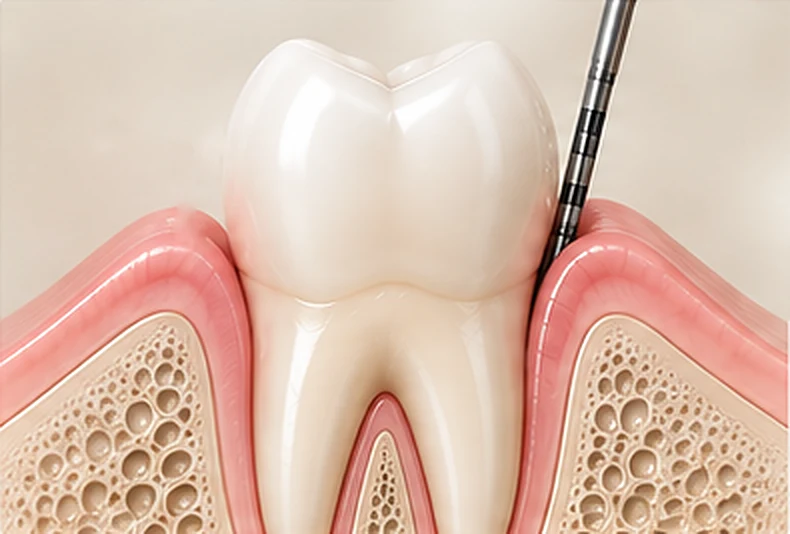
  1. No diseasePeriodontal Health

    Periodontal Health — periodontal stage illustration, Smile Spot Dentistry Venice FL

    Typical probing depth: 1 – 3 mm

    • Healthy gums and supporting bone
    • No bleeding on probing
    • No bone loss

    Routine preventive hygiene

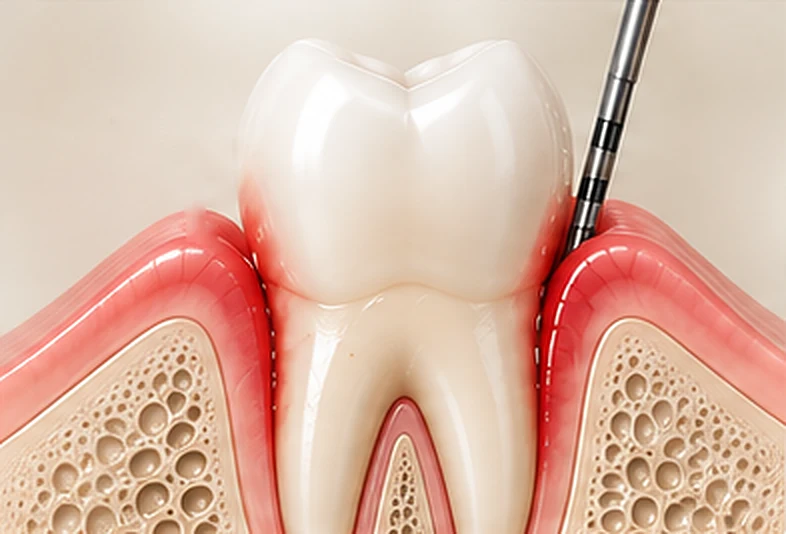
  2. ReversibleGingivitis

    Gingivitis — periodontal stage illustration, Smile Spot Dentistry Venice FL

    Typical probing depth: 3 – 4 mm

    • Inflammation and bleeding
    • Swollen, tender gums
    • No bone loss (reversible)

    Enhanced hygiene · closer recall

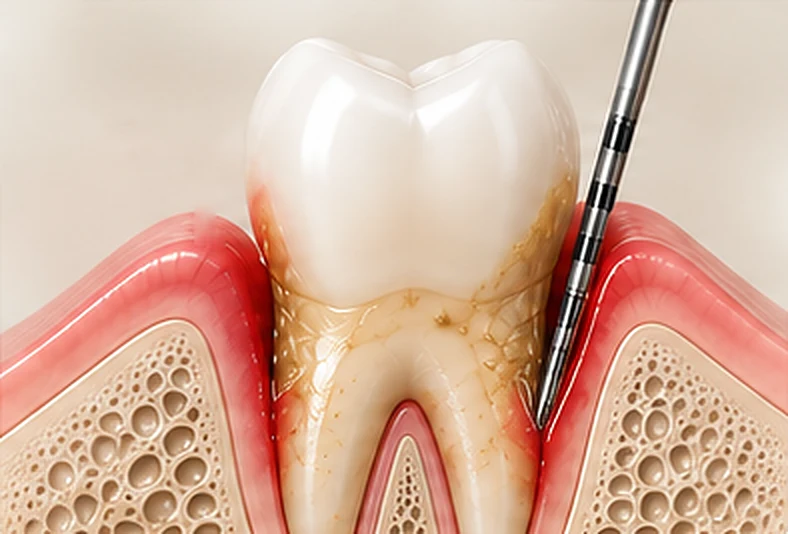
  3. Stage I – IIMild–Moderate Periodontitis

    Mild–Moderate Periodontitis — periodontal stage illustration, Smile Spot Dentistry Venice FL

    Typical probing depth: 4 – 5 mm

    • Attachment loss and bone loss
    • Subgingival calculus (tartar)
    • May have minimal symptoms

    Scaling & root planing · periodontal maintenance

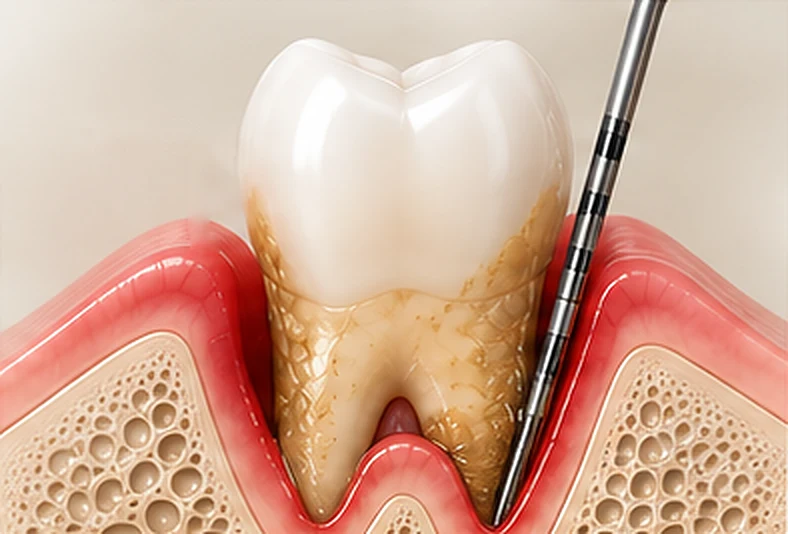
  4. Stage III – IVAdvanced Periodontitis

    Advanced Periodontitis — periodontal stage illustration, Smile Spot Dentistry Venice FL

    Typical probing depth: ≥ 6 mm

    • Significant bone loss
    • Mobility or furcation involvement
    • Tooth loss may occur

    Specialist referral when indicated

When is a “deep cleaning” actually needed?

Scaling and root planing — often called a deep cleaning — is periodontal treatment for sites where disease extends below the gumline. At Smile Spot Dentistry in Venice, Florida, treatment recommendations are based on periodontal measurements, clinical findings and radiographic evidence rather than a one-size-fits-all cleaning schedule.

When Disease Needs More

When periodontal disease requires surgical treatment, grafting or other specialist care, Dr. Sellappan refers to a periodontist and coordinates the restorative and preventive plan.

Earlier detection. More options. Healthier smiles for the long term.

Deep Cleaning · Scaling & Root Planing — clinical detail

Gum Disease Treatment · Deep Cleaning Venice, FL

Periodontal disease — gum disease — is not a hygiene failure. It is a chronic bacterial infection of the structures supporting the teeth — the gum, the periodontal ligament, and the alveolar bone. Once bacteria colonise below the gum line and form subgingival calculus, routine prophylaxis cannot reach them. Scaling and root planing is the clinical intervention that does.

At Smile Spot, the decision to recommend a deep cleaning in Venice, FL is based on clinical measurement, not approximation. Full periodontal charting and Pearl AI radiographic analysis identify exactly which sites have attachment loss and subgingival deposits. Scaling and root planing is performed under local anesthetic, using both ultrasonic and hand instrumentation to remove calculus and diseased cementum from the root surface. Fluoride is applied following treatment. A structured periodontal maintenance schedule replaces standard hygiene intervals for the duration of active gum disease treatment.

Advanced disease referred without hesitation. Periodontal disease is a leading cause of tooth loss in adults, and untreated tartar buildup below the gum line can progress to that outcome. If your periodontal condition requires surgical intervention, osseous surgery, or grafting, Dr. Sellappan will refer you to a periodontist she trusts. We manage what we can manage well and refer what requires a specialist — without compromise to either.

✓
No disease
Periodontal Health
Probing depths 1–3mm. No bleeding on probing. Healthy gums with no bone loss, no gum recession, no tartar below the gum line. Maintained with standard concierge hygiene visits and a personalised home care routine.
Concierge hygiene · 6-month intervals
!
Reversible
Gingivitis
Bleeding gums and swollen gums on probing present. Pocket depth 3–4mm. No bone loss yet. Gingivitis treatment at this stage is still reversible — the window before it progresses to periodontitis. Oral health can be fully restored without surgical intervention.
Enhanced hygiene · 3–4 month intervals
▴
Stage I – II
Mild to Moderate Periodontitis
Probing depths 4–5mm. Radiographic bone loss present on Pearl AI analysis. Subgingival calculus confirmed on clinical probing and X-rays. This is the primary indication for scaling and root planing at Smile Spot.
Scaling & root planing · Perio maintenance protocol
▼
Stage III – IV
Advanced Periodontitis
Probing depths 6mm or more. Significant bone loss. Possible mobility, furcation involvement, or tooth loss. Surgical intervention may be required beyond what in-house deep cleaning can address.
Periodontal specialist referral

The Mouth Is the Gateway — The mouth can reveal more than teeth.

Oral findings can sometimes provide clues about health beyond the mouth. Periodontal inflammation, patterns of enamel erosion, airway-related signs and soft-tissue changes are evaluated in context — and when something warrants medical attention, Dr. Sellappan recommends appropriate physician follow-up.

A more complete picture of your health.

We look beyond teeth to help you make informed decisions — for your smile and your overall well-being.

  1. Cardiovascular Health

    Periodontal inflammation

    Moderate-to-severe periodontal disease is associated with cardiovascular disease. Significant findings are communicated so patients can discuss relevant risk factors with their physician.

  2. Diabetes

    A two-way relationship

    Diabetes can affect periodontal health and healing, while periodontal inflammation may make glycemic control more difficult.

  3. Airway + Sleep

    The mouth can show clues

    Wear patterns, tongue and palate anatomy, jaw position and other oral findings may prompt a conversation about sleep-disordered breathing and appropriate medical evaluation.

  4. Acid Reflux / GERD

    Enamel can record the pattern

    Characteristic erosion patterns can raise concern for repeated acid exposure and warrant discussion of reflux symptoms or medical follow-up.

  5. Oral Cancer Screening

    Soft tissue matters too

    Lips, tongue, floor of mouth, palate and other oral tissues are examined for changes that may require further evaluation or referral.

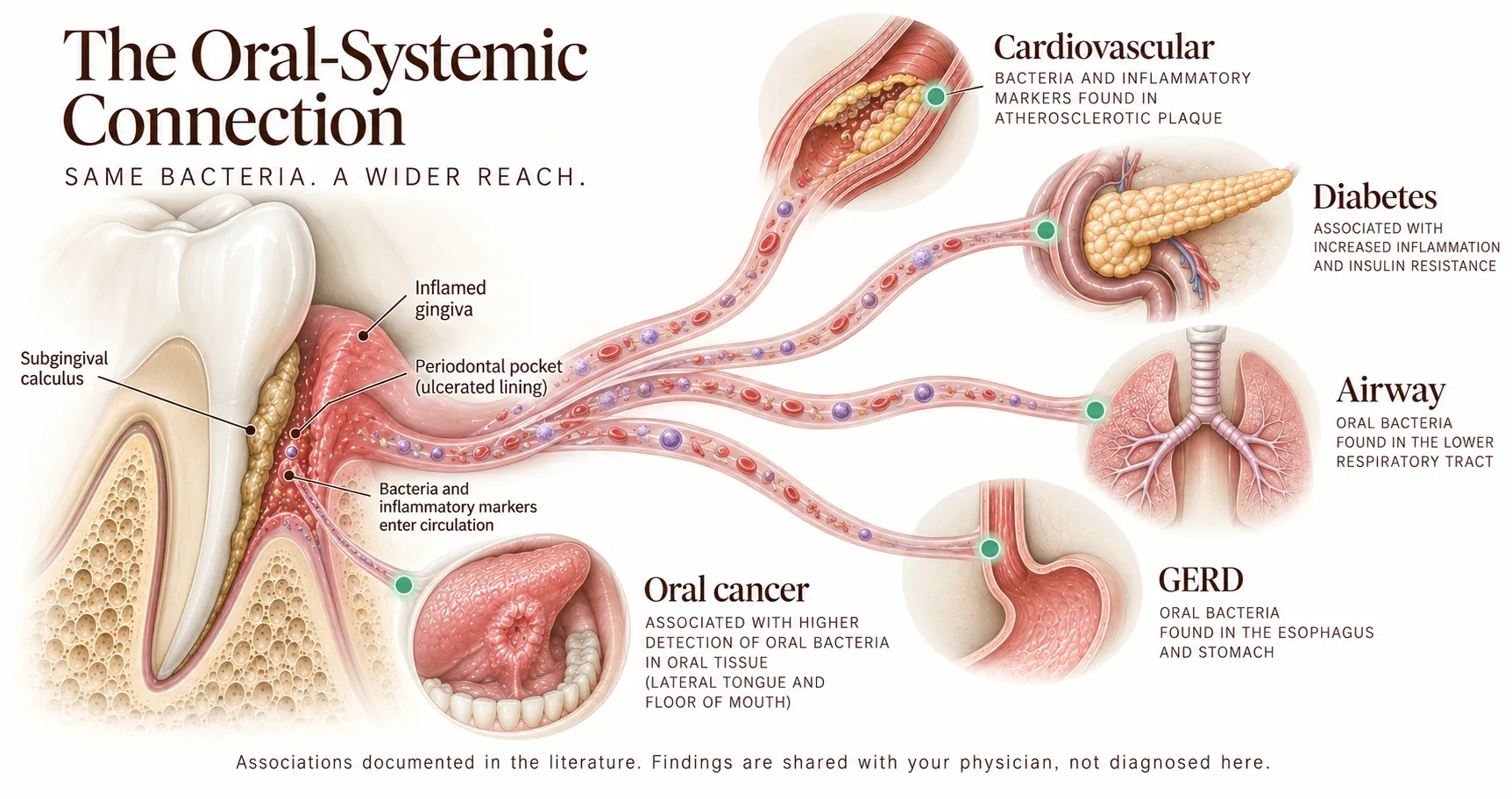
Diagram of the oral-systemic connection. A cross-section on the left shows a periodontal pocket with inflamed gingiva, subgingival calculus and an ulcerated lining where bacteria and inflammatory markers enter circulation. Four vascular channels carry them outward to sites where associations with them have been documented: atherosclerotic plaque in a coronary artery, pancreatic tissue in diabetes, the lower respiratory tract, and the oesophagus and stomach in reflux. A fifth, local connection links the same site to oral tissue of the lateral tongue and floor of mouth. Associations documented in the literature; findings are shared with the patient's physician, not diagnosed at the practice. Smile Spot Dentistry, Venice FL.
Oral-Systemic Wellness · the clinical detail

The Oral-Systemic Connection

Chronic periodontal inflammation is not only a mouth problem. Bacterial species that colonise the subgingival sulcus have been detected in atherosclerotic plaque and in the lower airways, periodontal inflammation is associated with poorer glycaemic control in diabetes, and oral signs can point toward sleep apnea. The mouth is not a separate system — oral health is closely connected to overall health. At Smile Spot, every clinical finding is read in the context of the whole body it belongs to.

♥
Cardiovascular Health

Periodontal inflammation is associated with raised systemic inflammatory markers such as C-reactive protein, which is also linked to cardiovascular risk. Studies consistently associate moderate-to-severe periodontitis with elevated cardiovascular risk. When Dr. Sellappan finds significant periodontal disease, she communicates this finding explicitly and recommends the patient discuss it with their physician — particularly if they have existing cardiac history.

Clinical indicator: Generalised bleeding on probing, deep pocketing, bone loss on radiographs combined with a history of hypertension or elevated cholesterol.
■
Diabetes

The relationship between diabetes and periodontal disease is bidirectional. Poorly controlled blood sugar impairs immune response and accelerates attachment loss. Conversely, untreated periodontal infection worsens glycaemic control — inflammatory cytokines are thought to interfere with insulin signalling. Studies suggest periodontal treatment can modestly improve HbA1c in people with diabetes. Dr. Sellappan discusses this relationship with patients whose charting and healing patterns suggest compromised immune response.

Clinical indicator: Rapidly progressing bone loss disproportionate to local factors, impaired healing after perio treatment, history of Type 2 diabetes.
◆
Sleep Apnea & Airway

The oral examination can show possible signs of sleep-disordered breathing: a scalloped tongue (lateral indentations from teeth contact during sleep), worn posterior teeth that may reflect nighttime grinding, which can accompany airway obstruction, tonsillar hypertrophy, a high narrow palate, and retrognathic jaw position. When these findings cluster, Dr. Sellappan raises the question directly and recommends formal sleep evaluation by a physician. She does not diagnose sleep apnea — she identifies the oral signatures and ensures the patient is aware they exist.

Clinical indicator: Scalloped tongue, severe nocturnal bruxism wear patterns, narrow arch, retrognathic profile, patient reporting fatigue or non-restorative sleep.
△
Acid Reflux & GERD

Gastric acid erodes tooth enamel from the palatal surfaces inward — a pattern that often differs from dietary acid erosion or bruxism wear. A typical presentation is smooth, glassy erosion on the palatal surfaces of the upper anterior teeth and the occlusal surfaces of the lower molars. When Dr. Sellappan identifies this pattern, she asks specifically about reflux symptoms and dietary acid exposure, and recommends the patient discuss it with their physician if they have not already been diagnosed.

Clinical indicator: Smooth palatal erosion on upper anteriors, cupped-out occlusal surfaces on lower molars, patient history of heartburn or regurgitation.
○
Oral Cancer Screening

Oral cancer screening is performed at routine hygiene visits — a visual and tactile examination of all soft tissue surfaces including the lips, buccal mucosa, hard and soft palate, oropharynx, tongue (dorsal and ventral surfaces), floor of the mouth, and the tissues of the tonsillar pillars. Any suspicious lesion — white patch, red patch, ulceration persisting beyond two weeks, or indurated tissue — is documented and referred for further evaluation, which may include biopsy. Oral cancer found at an early, localised stage has a much higher five-year survival rate than cancer found after it has spread (National Cancer Institute SEER data). The examination takes a few minutes and is included in routine dental checkups at Smile Spot.

Risk factors discussed when present: tobacco use (any form), heavy alcohol use, HPV history, prolonged sun exposure to the lips, personal or family history of head and neck cancer.

We don’t diagnose systemic disease from the dental chair.

We pay attention to what the mouth may be telling us.
The 2mm Zone That Holds Everything — Beautiful dentistry depends on healthy tissue.

Healthy gums, bone and supporting tissues create the foundation for long-lasting, natural-looking dentistry. We evaluate the periodontal tissues as part of every treatment plan — whether you are receiving a crown, bridge, implant or cosmetic restoration.

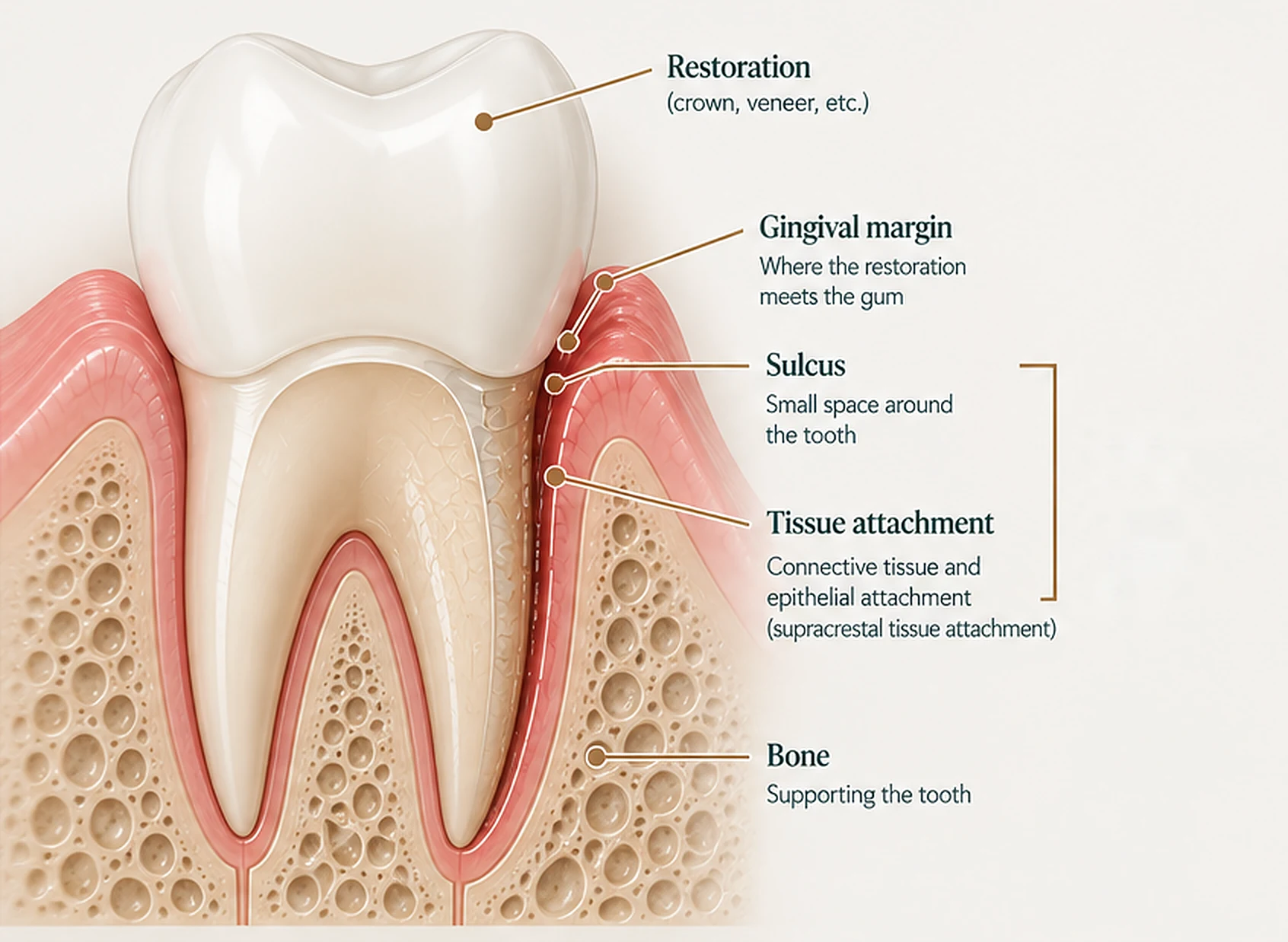
Cross-section of a crowned tooth showing the restoration, gingival margin, sulcus, tissue attachment (connective tissue and epithelial attachment — the supracrestal tissue attachment, about 2 mm) and supporting bone. Smile Spot Dentistry, Venice FL.
Biological width (≈2 mm): a healthy relationship keeps tissue stable.
  1. Respect the Tissue

    Restorative margins and periodontal tissues need adequate biological space (dentists call this the biological width: about 2 mm of gum attachment above the bone, now termed the supracrestal tissue attachment). When that relationship is unhealthy, inflammation, bleeding or recession can develop.

  2. Protect the Foundation

    Periodontal charting, radiographs and preventive maintenance help us monitor the tissues and bone supporting natural teeth, crowns, bridges and other restorations.

  3. Implants Need Maintenance Too

    Dental implants depend on healthy peri-implant tissues and supporting bone. Regular evaluation helps identify inflammation, bone-level changes or early signs of peri-implantitis before they become more difficult to manage.

The restoration is only as healthy as the foundation supporting it.

Begin Your Wellness Visit
Periodontal Architecture & Biological Width — clinical detail

Periodontal Architecture

“Every crown, every implant, every restoration placed in this practice is designed around the biological width — the 2mm zone of attachment that the immune system defends as its own. Violate it and the body fights back. Maintain it and restorations can last for many years.”
01

What the Biological Width Is

Between the base of the gingival sulcus and the alveolar bone crest, there exists a zone averaging about 2mm of tissue attachment — the junctional epithelium and connective tissue fibers that anchor the gum to the tooth root. This zone is not arbitrary. It is the biological minimum that the immune system requires to maintain the tissue seal between the oral environment and the bone. Below this zone, the bone begins. Above it, the free gingival margin. The biological width is the boundary the body enforces — and it enforces it actively.

02

What Happens When It Is Violated

When a restoration margin, a crown preparation, or subgingival calculus encroaches into the biological width zone, the immune response is immediate and chronic: the gingiva bleeds, swells, and eventually recedes. The bone beneath resorbs to re-establish the required 2mm clearance from the restoration margin. This is the body correcting a violation, not disease in the conventional sense. The result is predictable bone loss around the offending restoration — visible on radiographs, flagged by Pearl AI on radiographs, and progressive until the violation is corrected or the tooth is lost.

03

How Concierge Hygiene Protects It

Maintaining the biological width is not a surgical task alone — it begins with preventing the subgingival bacterial colonisation that triggers the immune cascade in the first place. Innerview QPD percussion diagnostics identifies early structural instability and adds information beyond probing alone. Perio charting tracks the attachment level at every visit. Pearl AI flags bone level changes on radiographs at a sensitivity that supplements clinical judgment. The concierge hygiene protocol is designed so that biological width violations are identified before they require surgical correction — and so that the restorative work Dr. Sellappan has placed is protected by the periodontal environment it depends on. For patients undergoing full mouth reconstruction, this same protocol forms the foundation of the comprehensive periodontal exam that precedes every treatment plan.

04

Why Implants Demand the Same Vigilance

Dental implants have a biological width equivalent — the peri-implant sulcus and the osseointegrated interface below it. Implants lack a periodontal ligament, meaning they have reduced proprioceptive feedback and no biological mechanism to resist bacterial apical migration the way natural tooth roots do. Peri-implantitis — the bacterial destruction of the bone around an implant — is largely silent until it has already caused significant bone loss. Innerview QPD percussion diagnostics can detect early implant micro-mobility — the first measurable sign of loosening or structural failure — before clinical symptoms or radiographic bone loss appear. Pearl AI monitors peri-implant bone levels on every radiograph. Together they give implants the surveillance they require.

Oral Health Is Preventive Coverage — Invest in your long-term health.

Preventive care helps protect your gums, teeth and investments in restorative and cosmetic dentistry. We work with most major PPO insurance plans, help you understand your benefits, and offer flexible financing options for care not covered by insurance.

  • Insurance Welcome

    We are in-network with a number of PPO plans and will verify your benefits, explain your coverage and estimate your out-of-pocket costs before treatment.

  • Preventive Care Matters

    Routine exams, cleanings and periodontal maintenance help catch concerns early — and support healthier, longer-lasting results for all types of dentistry.

  • Flexible Payment Options

    We offer financing through CareCredit and Cherry, so you can move forward with the care you need on a comfortable timeline.

Healthy smiles are always a good investment.

Learn more about insurance & financing
Insurance & Scheduling — typical PPO coverage detail

Insurance & Scheduling

Insurance & Scheduling

Oral Health Is
Preventive Coverage.

Most PPO plans cover preventive care — routine dental cleaning in Venice, FL, X-rays, and fluoride — often at 100% with no deductible. Periodontal treatment including scaling and root planing is often covered at around 80% as a basic restorative service. We verify your specific benefits before your appointment. We aim to make sure there are no surprise fees at Smile Spot.

The American Dental Association advises that visit frequency be set by your dentist; many healthy adults are seen every six months, though timing may vary based on your individual risk factors identified during the exam.

Delta Dental
Cigna
Aetna
BlueCross
MetLife
United HC
Guardian
+ More

No insurance? Financing options available. Preventive care is always the most cost-effective investment — a hygiene visit costs a fraction of what the disease it prevents would require to treat.

Verify My Benefits →
Typical PPO Coverage by Service
Routine Cleaning (Prophy)
Preventive · most plans
Often 100%
Dental X-Rays
Preventive · most plans
Often 100%
Fluoride Treatment
Preventive · most plans
Often 100%
Scaling & Root Planing
Basic restorative · most plans
Often ~80%
Periodontal Maintenance
After active perio treatment
Often ~80%

Coverage percentages are typical PPO ranges. Your specific benefits are verified before every appointment.

Frequently Asked Questions — Your questions, answered.

Still have questions? Here are answers to some of the most common questions about periodontal health, deep cleaning, maintenance and how gum health fits into your overall care.

General & Treatment

Insurance & Long-Term Care

Your Mouth Tells the Whole Story — Healthier gums. A brighter tomorrow.

Whether you’re overdue for a cleaning, have been told you need a deep cleaning, or simply want to protect your smile for the long term, we’re here to help. Schedule your visit and experience the Smile Spot difference — personalized, comfortable care in Venice, Florida.

Your next wellness visit

Schedule your preventive dentistry visit at Smile Spot Dentistry on Venice Island. Pearl AI diagnostics, full periodontal charting, and an oral-systemic review — at every professional teeth cleaning appointment, as standard, with an Innerview QPD structural scan when indicated. Benefits verified before you arrive.

Schedule Now or call (941) 477-1977
Reception at Smile Spot Dentistry, 273 S Tamiami Trail, Venice, Florida
Healthy today. Brighter tomorrow.Smile Spot Dentistry
Venice, Florida

Sources & Clinical References

  1. Caton J.G., et al. A new classification scheme for periodontal and peri-implant diseases and conditions. J Periodontol / J Clin Periodontol, 2018 (AAP/EFP World Workshop).
  2. Lockhart P.B., et al. Periodontal disease and atherosclerotic vascular disease: does the evidence support an independent association? AHA Scientific Statement. Circulation, 2012.
  3. Sanz M., et al. Scientific evidence on the links between periodontal diseases and diabetes. J Clin Periodontol, 2018.
  4. National Cancer Institute, SEER. Cancer Stat Facts: Oral Cavity and Pharynx Cancer. seer.cancer.gov

Smile Spot Dentistry · 273 S Tamiami Trail, Venice, FL 34285 · (941) 477-1977 · Preventive dentistry for Venice, Nokomis, Osprey and Sarasota County

Reserve Your Visit