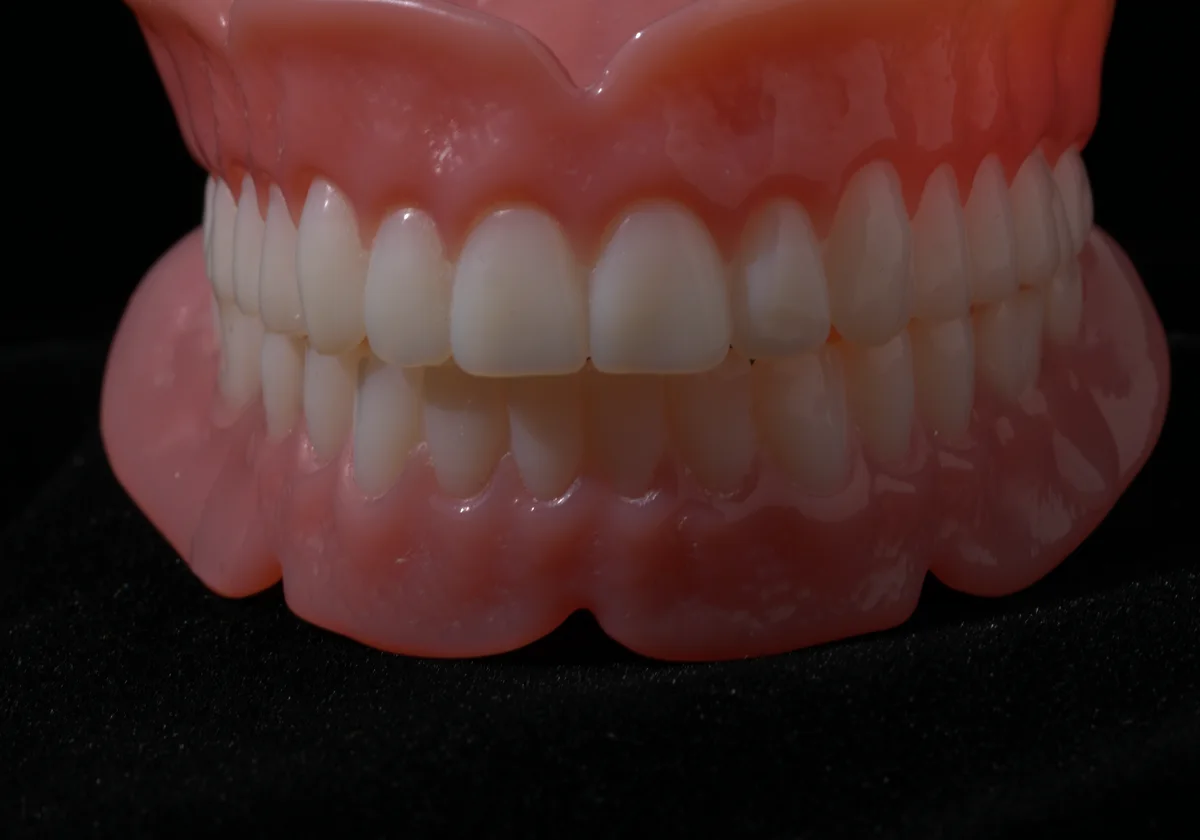
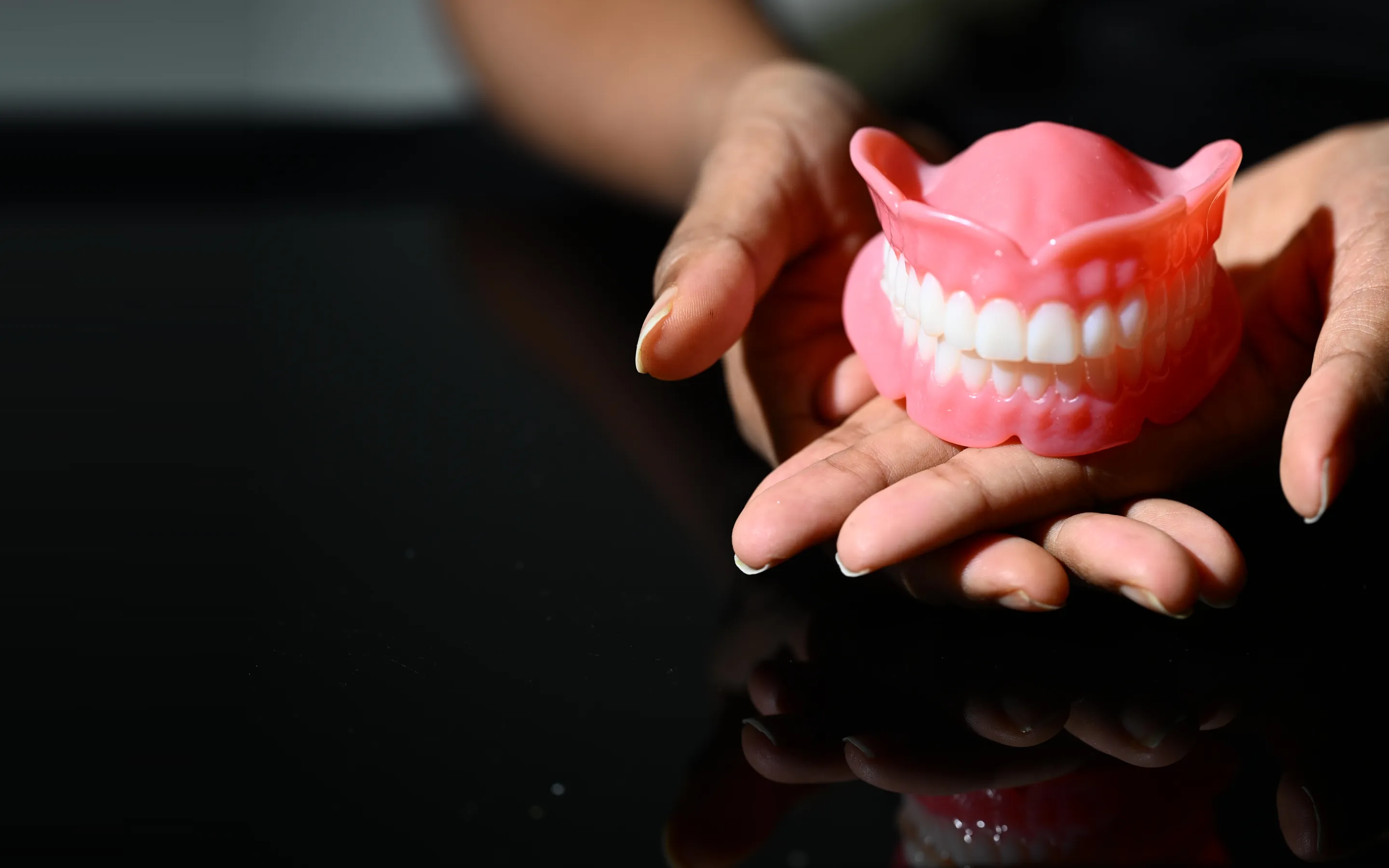
Custom aesthetic full denture held in a dentist's hands — Smile Spot Dentistry, Venice, Florida

Restorative Artistry · Venice Island, FL

Custom Aesthetic Dentures
in Venice, Florida.

When teeth are lost, more than a smile disappears — the face collapses inward. Dr. Sellappan rebuilds that architecture from scratch — RayFace 3D facial scanning, Kois occlusal analysis, and individual tooth characterisation calibrated to your face. Natural-looking dentures that fit, function, and endure. Venice FL's boutique prosthetic dentist, serving Venice Island and surrounding communities.

Dentures · Key Takeaways — A denture should restore more than missing teeth.

  1. Your face

    Designed around you.

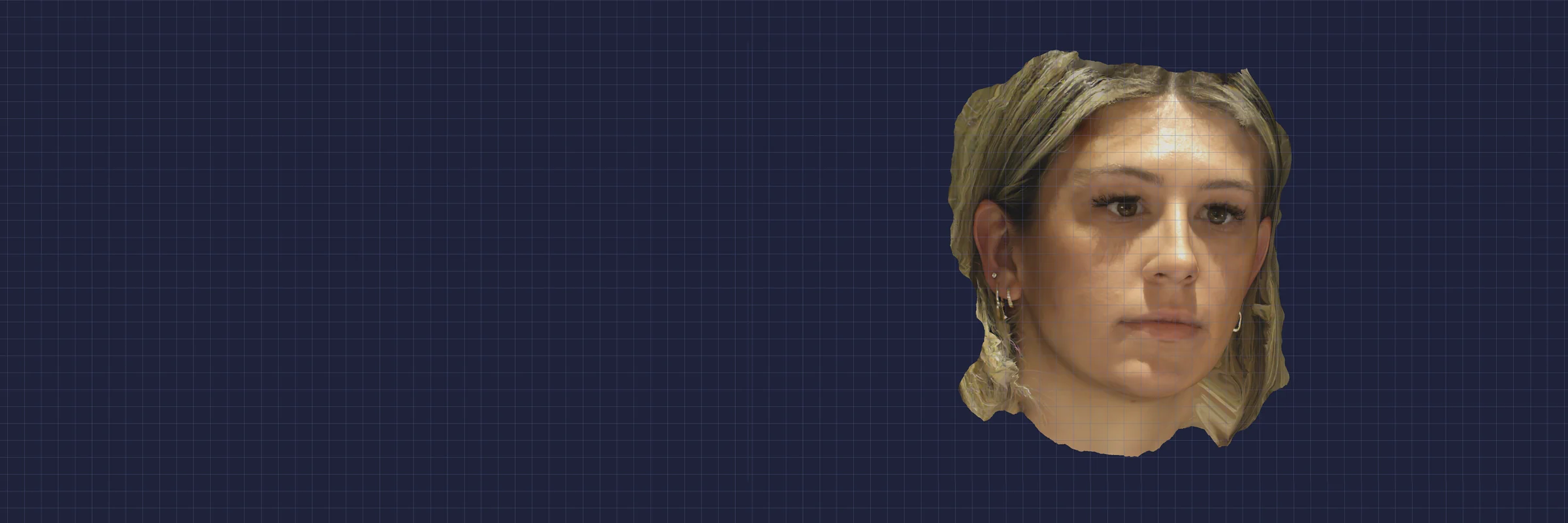
    When appropriate, we use RayFace facial scanning to analyze your facial proportions, lip support and smile line so your denture complements your unique features.

  2. Your bite

    Stability starts with function.

    We evaluate your bite, jaw movement and the neutral zone so your denture works with your musculature — not against it.

  3. Your options

    Removable doesn’t mean one-size-fits-all.

    Complete, partial, implant-retained and immediate dentures solve different clinical problems. We’ll help you choose the option that’s right for you.

  4. Your confidence

    It should look like you.

    We use individually characterized teeth, natural translucency and tissue shading to create dentures that look natural — so you can smile, eat and speak with confidence.

The goal isn’t simply to replace teeth.It’s to rebuild support, function and a smile that belongs to your face.

At a glance · facial design, options & digital scanning

RayFace · 3D Facial Design

Where indicated, the full face is scanned before a single tooth is positioned — designed outward from your anatomy

4 · Prosthetic Options

Complete · Partial · Snap-in overdenture · Immediate denture

Zero · Putty Impressions

iTero digital scanning — highly accurate, no impression distortion, no discomfort

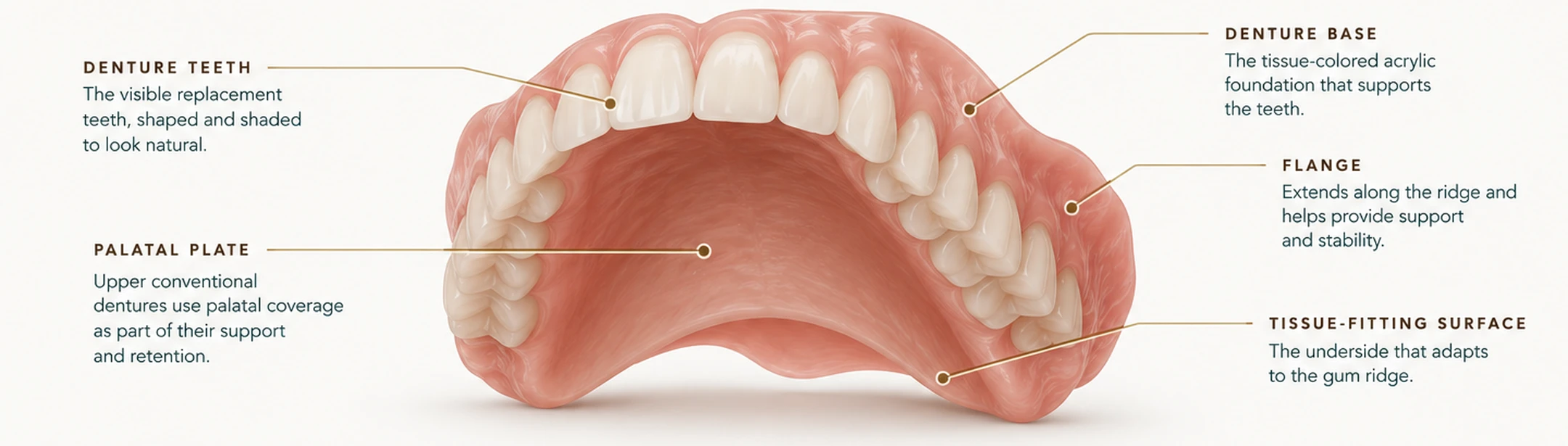
Understanding the Prosthetic — A denture is more than a row of teeth.

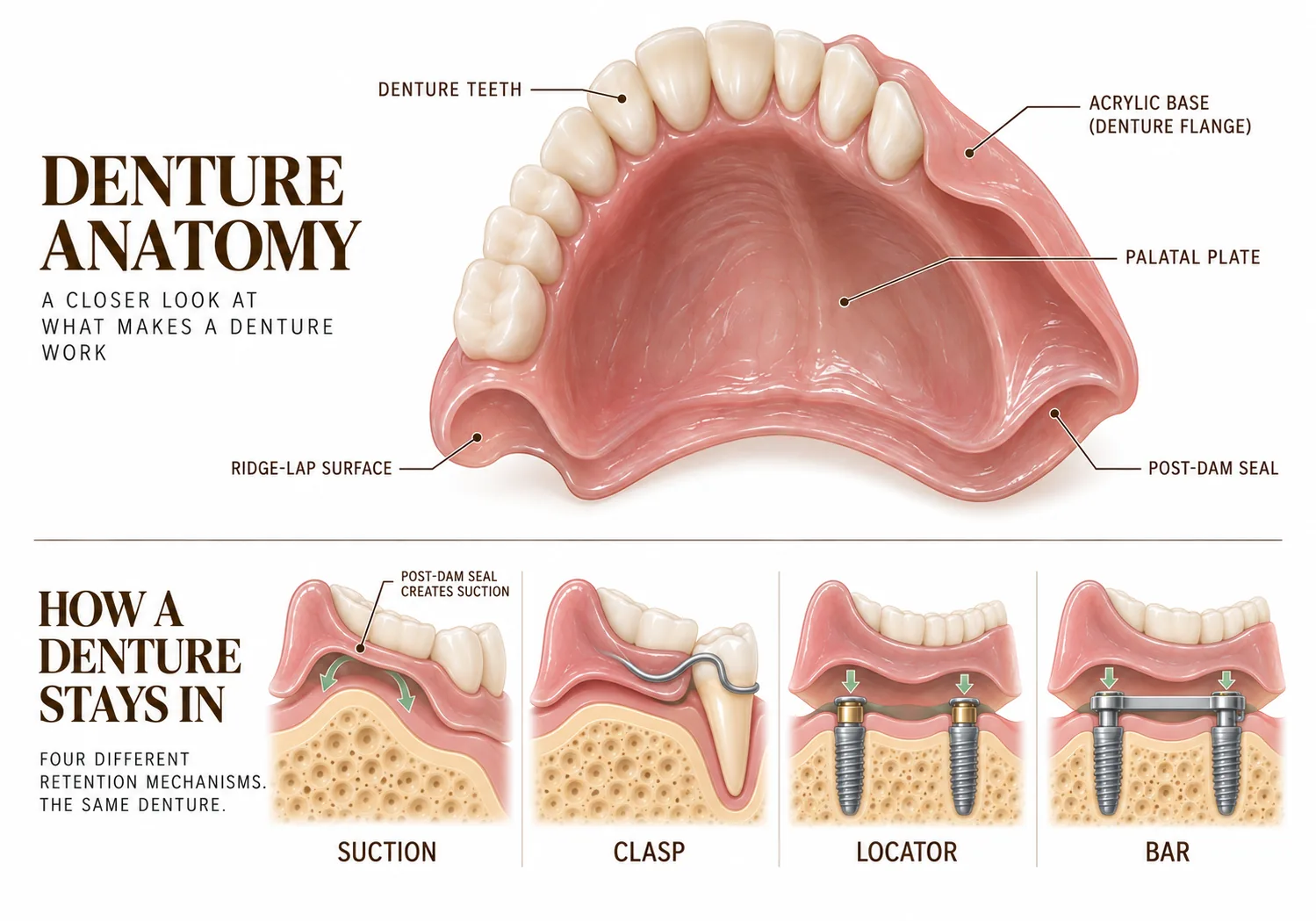
Every part of a denture has a purpose — from the teeth you see to the surfaces that provide support and stability.

Upper complete denture with its parts labelled — denture teeth, denture base, flange, palatal plate and tissue-fitting surface — Smile Spot Dentistry, Venice FL

How a denture can be held in place

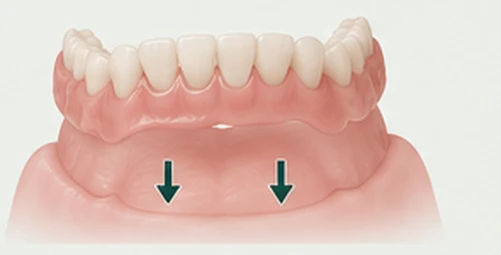
  1. Complete denture held by close tissue fit and suction against the gum ridge — Smile Spot Dentistry, Venice FL

    Tissue / suction

    Relies on a close fit with the gum ridge and natural suction.

    Complete denture

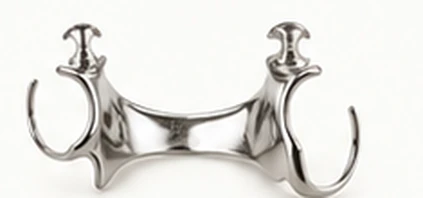
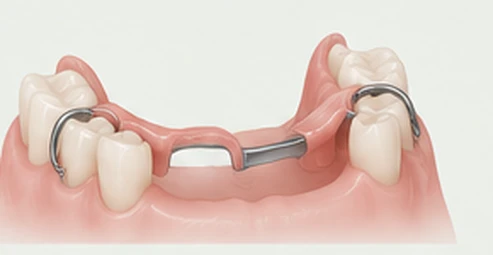
  2. Partial denture with clasps attaching to remaining natural teeth — Smile Spot Dentistry, Venice FL

    Natural tooth / clasp

    Clasps attach to your natural teeth for added retention.

    Partial denture

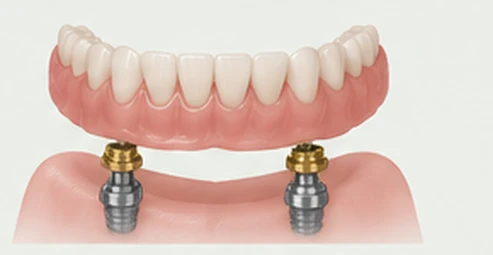
  3. Snap-in overdenture anchored to locator attachments on two dental implants — Smile Spot Dentistry, Venice FL

    Locator attachments

    Anchors to 2–4 dental implants for greater stability.

    Snap-in overdenture

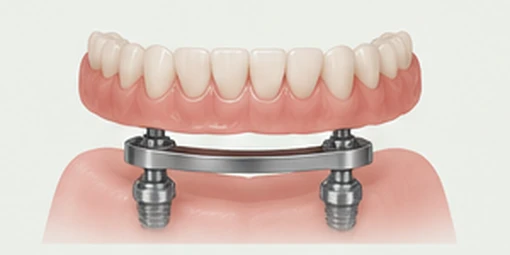
  4. Bar-retained overdenture connected to a custom bar joining multiple implants — Smile Spot Dentistry, Venice FL

    Implant bar

    Connects to multiple implants with a custom bar for maximum stability.

    Bar-retained overdenture

Denture anatomy & retention · our clinical diagram
Denture anatomy diagram — an upper complete denture with its components labelled: denture teeth, acrylic base and flange, palatal plate, ridge-lap surface and post-dam seal. Below, four cross-sections show how the same denture is retained: by suction against the ridge, by a clasp on a remaining natural tooth, by locator attachments on two implants, and by a bar joining the implants. Smile Spot Dentistry, Venice FL.

Four Denture Pathways · The Right Prosthetic for Your Anatomy — Different situations. Different ways to replace teeth.

The right denture depends on how many teeth remain, available bone, the amount of stability you want and whether implants are part of your treatment plan.

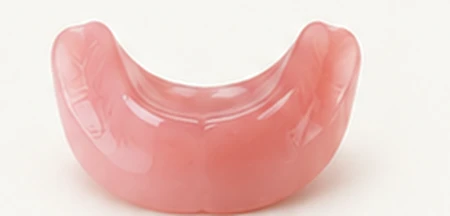
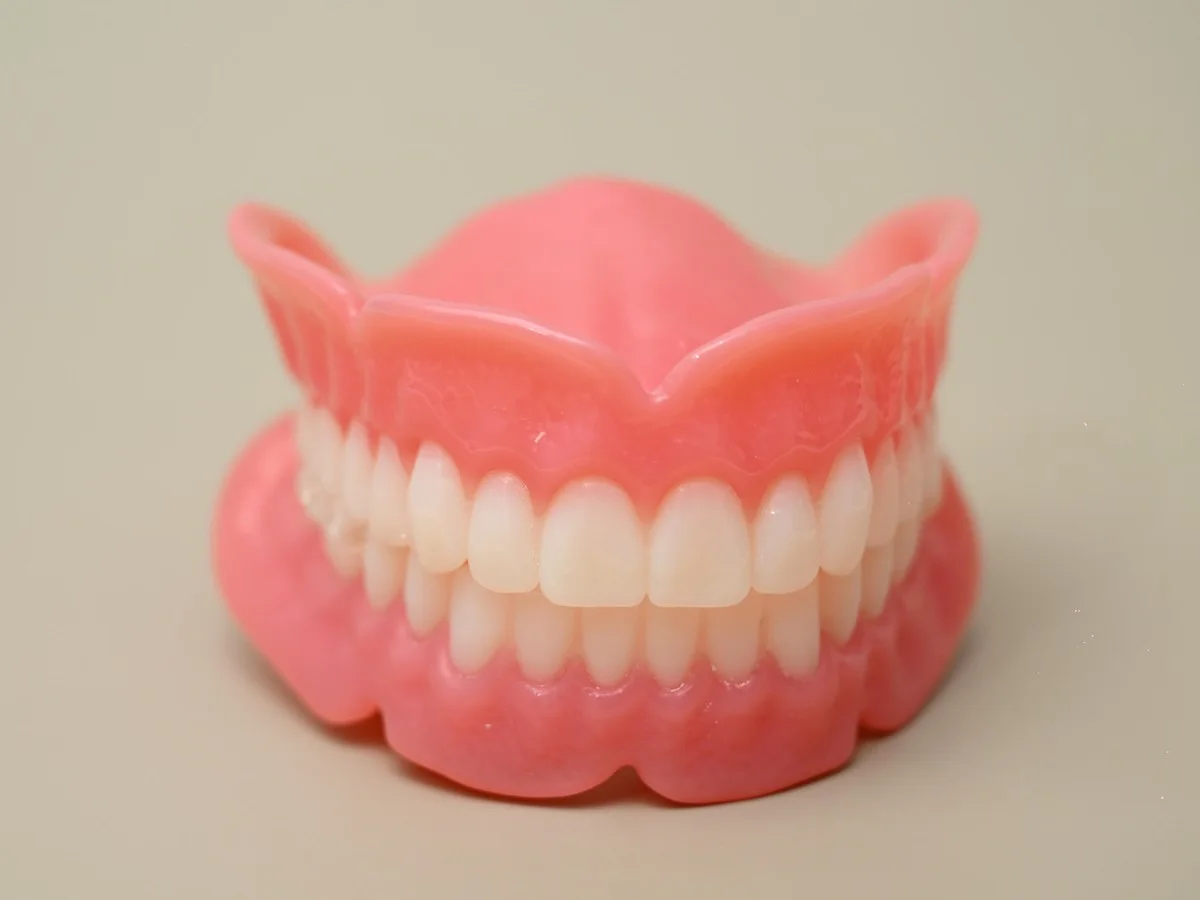
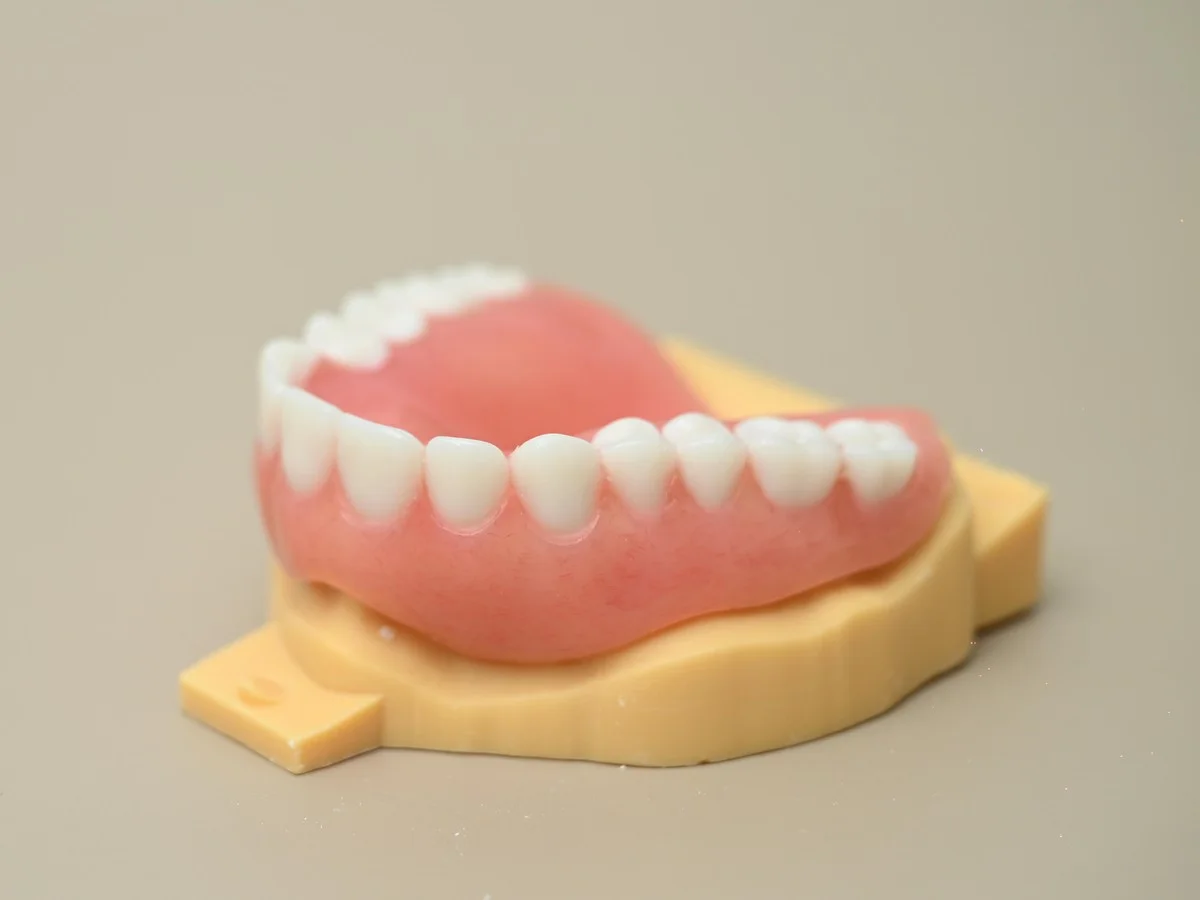
  1. Complete full-arch denture — Smile Spot Dentistry, Venice FL

    Complete Dentures

    Full arch · Removable

    For an arch where all teeth are missing. Tissue-supported and designed around the gum ridge, bite and facial proportions.

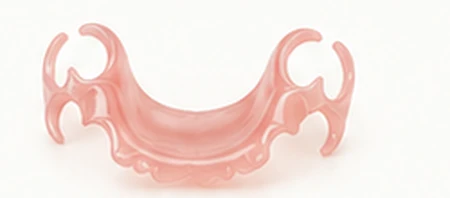
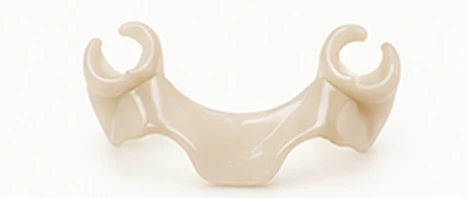
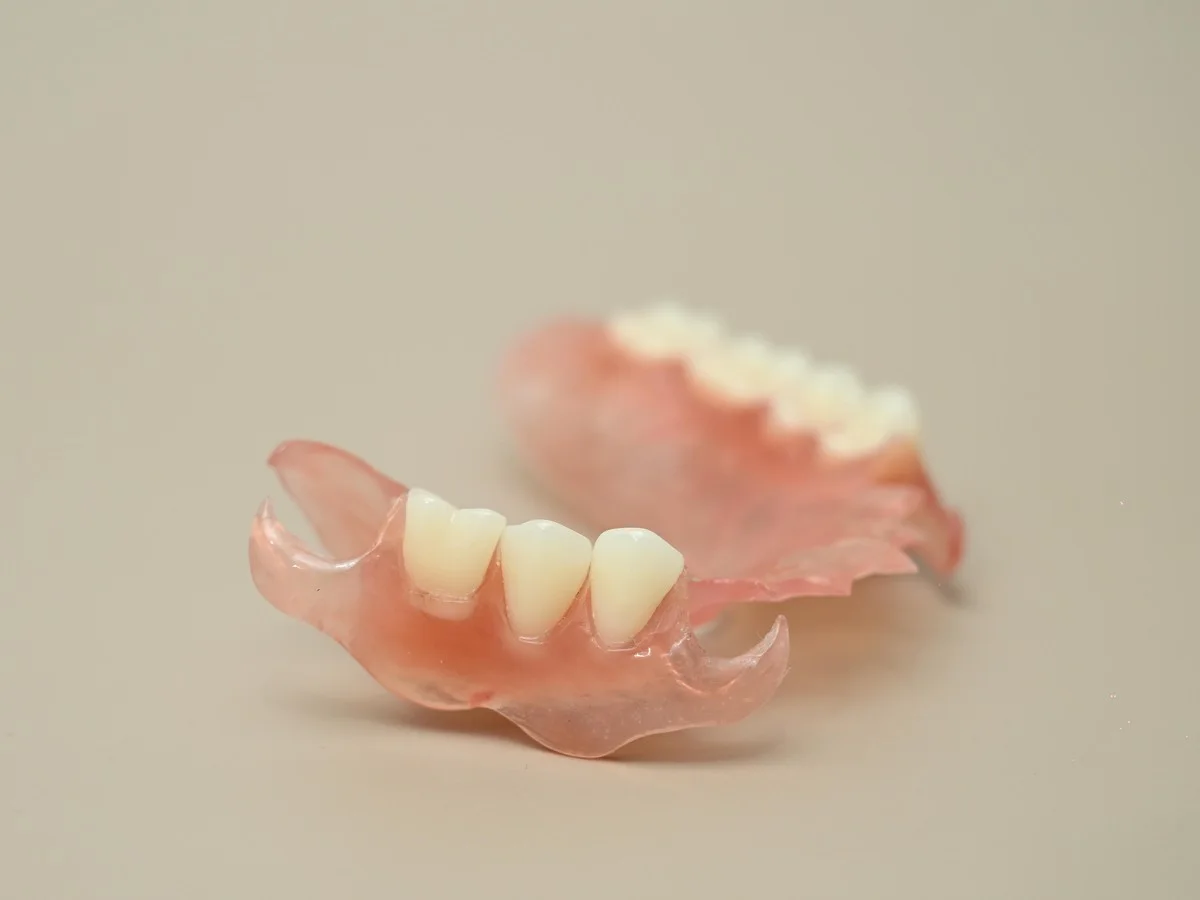
  2. Custom metal-free partial denture — Smile Spot Dentistry, Venice FL

    Partial Dentures

    Some natural teeth remain

    Replaces several missing teeth while preserving the natural teeth that remain. Options can include flexible, metal-free and more rigid framework designs depending on the case.

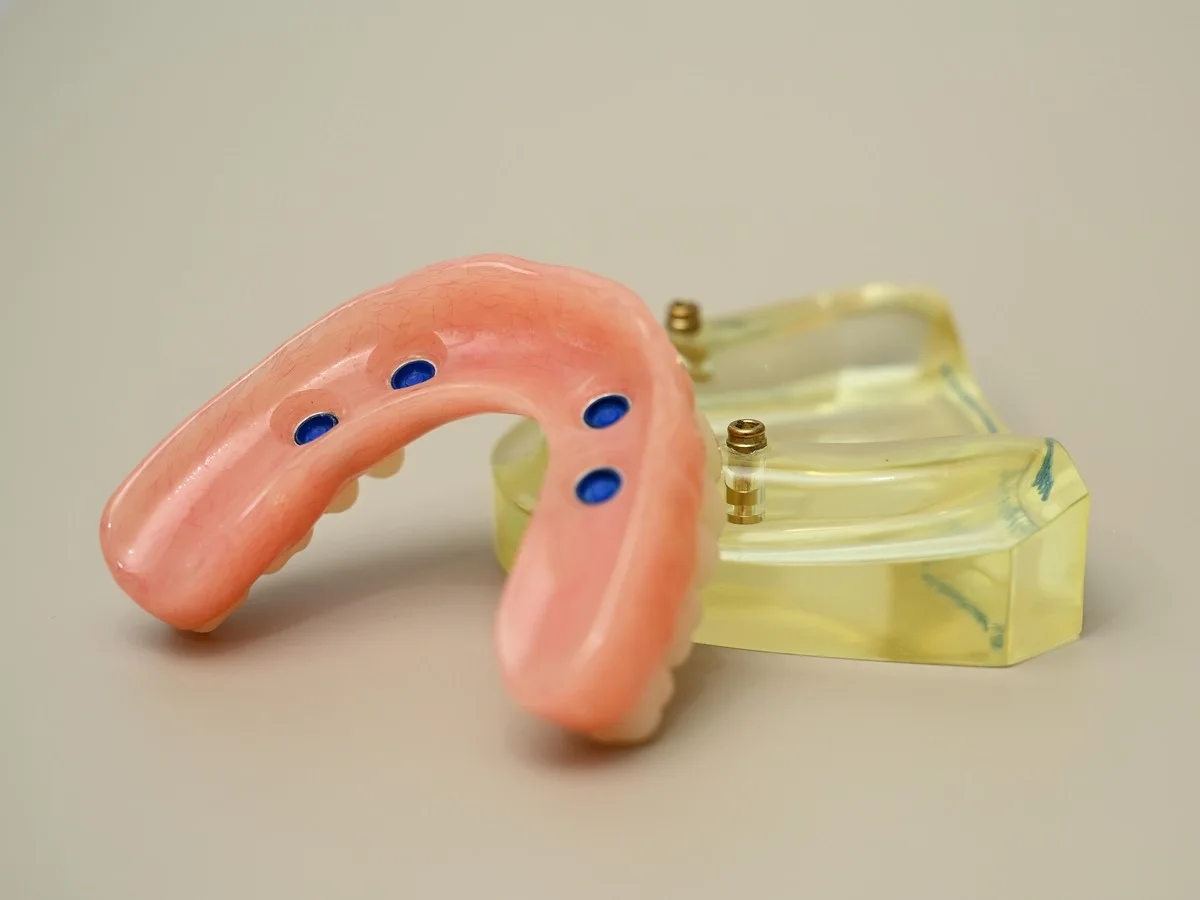
  3. Snap-in implant-retained overdenture — Smile Spot Dentistry, Venice FL

    Snap-In Overdentures

    Implant-retained · Removable

    A removable denture anchored to 2–4 dental implants with locator attachments for greater stability and less movement. In appropriate cases, a palateless upper denture is also an option.

  4. Immediate same-day denture — Smile Spot Dentistry, Venice FL

    Immediate Dentures

    Same-day · Transitional

    Made before extractions and placed when the teeth are removed in selected cases, so you do not have an edentulous period. This is a timing pathway and may be followed by a final denture later.

You don’t choose a denture from a menu.We determine the design from your remaining teeth, bone, bite and goals.

The four prosthetic options · full clinical detail

Four Prosthetic Solutions

The Right Prosthetic for Your Anatomy.

Not every missing teeth situation calls for the same solution. Custom dentures Venice FL — from conventional complete dentures to implant-supported overdentures — the correct choice depends on your bone volume, remaining teeth, bite force, and lifestyle. Dr. Sellappan evaluates all four before recommending one.

Swipe to explore options Tap card to see detail ↻
Custom metal-free partial denture on dark background — Smile Spot Dentistry Venice FL. Flexible Valplast clasps, RayFace facial design, Kois occlusal verification.

Partial Arch · Removable

Custom Partial Dentures

↻
Tap to see detail
↩ Back to photo

Partial Arch · Removable

Custom Partial Dentures

When some natural teeth remain

A partial denture fills gaps left by missing teeth while preserving the natural teeth that remain. Unlike a bridge, a partial denture is removable — it clasps onto existing teeth using precision attachments or flexible clasps. At Smile Spot, partial dentures are fabricated with the same RayFace facial design and iTero digital workflow as complete dentures — individual tooth characterisation, correct shade matching, and Kois-verified occlusion before delivery.

  • Preserves remaining natural teeth — no preparation required
  • Flexible Valplast option — no visible metal clasps
  • RayFace integration — tooth positions matched to your facial anatomy
  • Prevents remaining teeth from shifting into the gap

Conventional cast-frame partials and flexible thermoplastic partials (Valplast) both available. Dr. Sellappan will confirm which suits your anatomy at consultation.

Complete full-arch denture on dark background — Smile Spot Dentistry Venice FL. iTero digital impression, RayFace 3D facial integration, individual tooth characterisation.

Full Arch · Removable

Complete Dentures

↻
Tap to see detail
↩ Back to photo

Full Arch · Removable

Complete Dentures

Also called full dentures — all teeth absent in an arch

A precision-fabricated complete denture — also called full dentures — relies on tissue mapping to achieve the closest possible fit to the gum ridge. Smile Spot complete dentures begin with an iTero digital scan, not putty impressions that distort in transit. RayFace 3D facial scanning positions every tooth against your facial midline before fabrication begins.

  • No surgery or implants required
  • Natural-looking individual tooth characterisation
  • RayFace facial integration — not a generic lab template
  • Bone loss monitoring at every recall appointment

If you are considering implants, ask at consultation whether upgrading to a snap-in overdenture is within reach — the implant surgery is largely the same, the prosthetic outcome significantly better.

Snap-in implant-retained overdenture on dark background — Smile Spot Dentistry Venice FL. Locator attachments on two implants, can reduce or remove the need for denture adhesive, helps maintain bone at the implant sites.

Implant-Anchored · Removable

Snap-In Overdenture

↻
Tap to see detail
↩ Back to photo

Implant-Anchored · Removable

Snap-In Overdenture

Also called snap-on dentures, implant-retained dentures, or overdentures

Implant-retained overdentures eliminate denture movement entirely. Two to four dental implants are placed in the jaw — locator attachments snap the denture firmly into place. No denture adhesive. No rocking. No food restrictions. Implant-supported dentures also stimulate the jawbone, slowing the bone loss that makes conventional dentures looser every year.

  • Eliminates loose dentures and denture adhesive dependency
  • Slows bone loss by stimulating the jawbone
  • Removable for cleaning — implants stay in permanently
  • Upper arch option — four implants eliminate the palate entirely

If placing implants for an overdenture, discuss at consultation whether All-on-X is within reach — the surgery is largely the same, the outcome permanently superior.

Immediate same-day denture on dark background — Smile Spot Dentistry Venice FL. Placed at time of extraction, fabricated in-house, no edentulous period.

Same Day · Transitional

Immediate Dentures

↻
Tap to see detail
↩ Back to photo

Same Day · Transitional

Immediate Dentures

A timing option — not a permanent prosthetic type

In carefully selected cases, immediate dentures are fabricated before any extractions occur and placed the same day teeth are removed — you never go without teeth. For select cases, Smile Spot fabricates the immediate denture in our in-house 3D printing suite so no lab wait is required. The immediate denture is a transitional prosthetic — adjusted during healing, then replaced with your permanent prosthetic.

  • No edentulous period — prosthetic placed immediately after extraction
  • Protects extraction sites during healing
  • Select cases printed in-house — no lab wait required
  • Adjusted as gum tissue heals and reshapes over 3–6 months

After healing, you transition to your permanent prosthetic — partial, complete denture, or snap-in overdenture depending on your treatment plan and whether implants are placed during healing.

Conventional vs Implant-Retained · Suction vs. Anchored — What Actually Changes — Two approaches. A big difference.

Both conventional and implant-retained dentures can restore your smile. The right choice depends on the amount of stability you want and how you want to protect your jawbone over time.

Conventional dentures

Tissue-supported · Removable
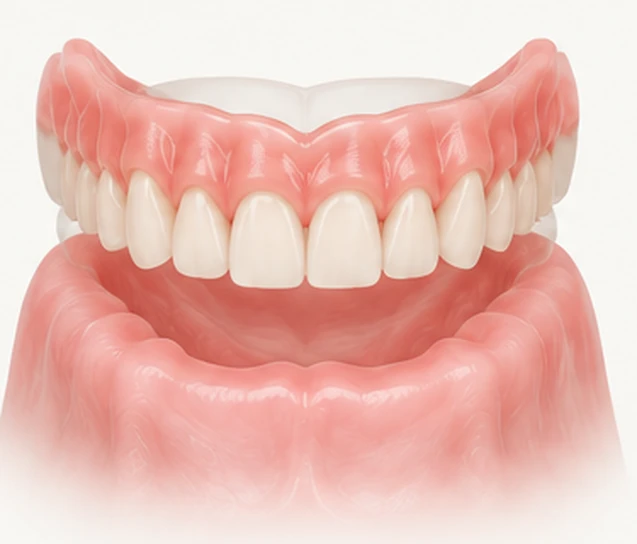
Conventional complete dentures resting on the gum ridge — Smile Spot Dentistry, Venice FL
  • Rest on the gum ridge

    Rely on tissue fit, suction and proper design for retention.

  • Removable

    Taken out daily for cleaning.

  • Do not stop bone loss

    The jawbone continues to shrink over time without stimulation.

A well-designed conventional denture can look very natural and function well, but it will not feel as stable as one anchored by implants.
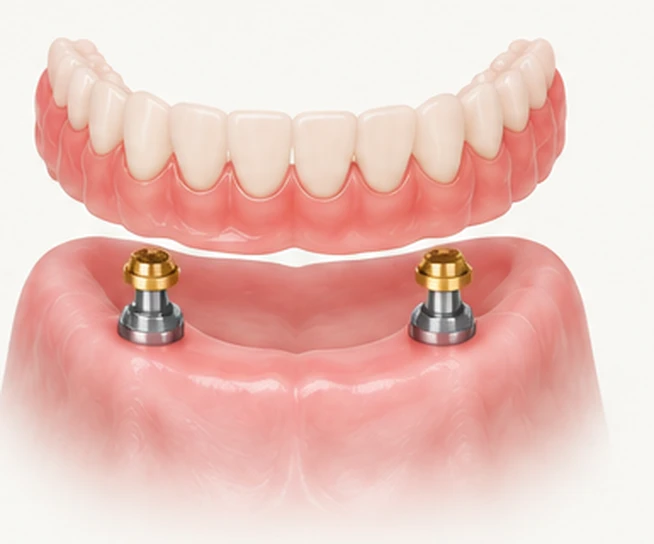
Implant-retained dentures

Snap-in or bar-retained · Removable

Implant-retained overdenture above two locator attachments on dental implants — Smile Spot Dentistry, Venice FL
  • Anchored to 2–4 implants

    Locator or bar attachments greatly reduce movement during eating and speaking.

  • Helps preserve bone

    Implants load the jaw and help limit the bone loss that occurs with conventional dentures.

  • Greater confidence

    A more stable fit lets you eat, speak and smile with less worry.

Implant-retained dentures combine the benefits of a removable prosthetic with the stability of dental implants.

Same goal. A stronger foundation.Whether conventional or implant-retained, your denture is designed to restore function, support and confidence.

Suction vs anchored · the full comparison
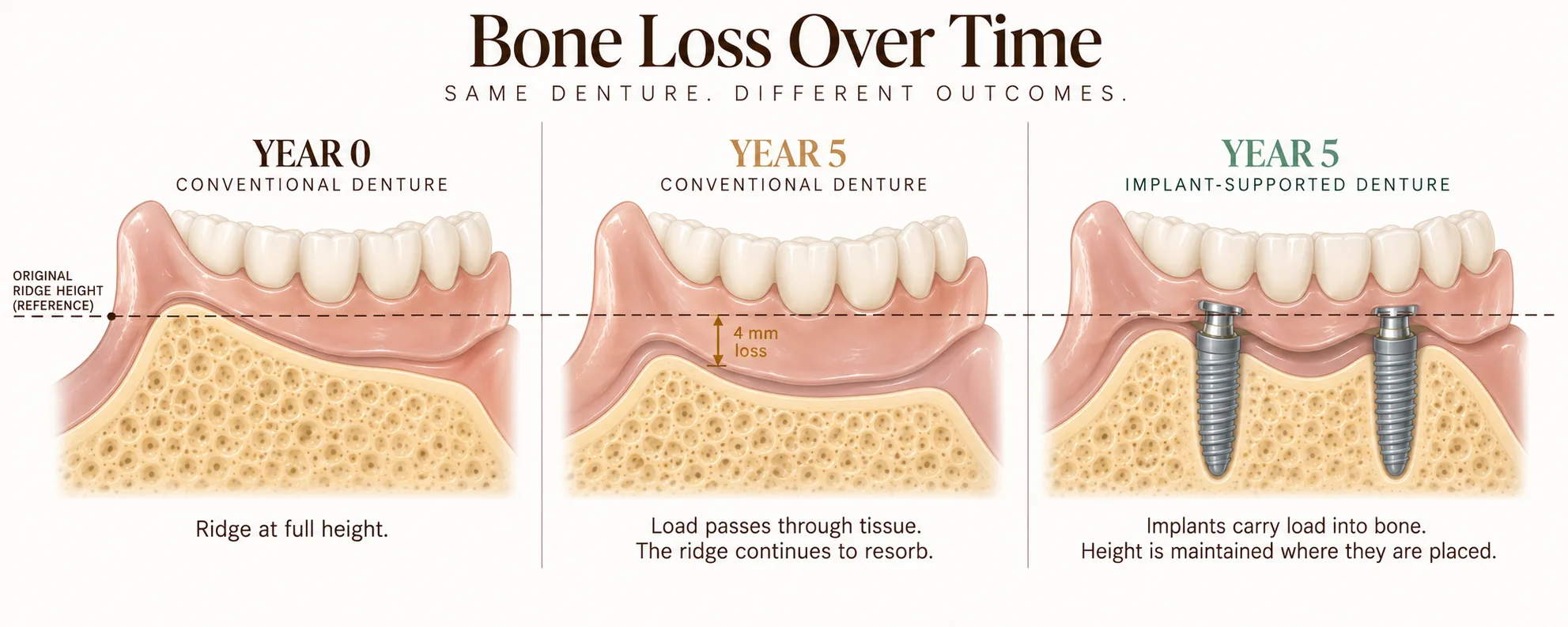
Three-panel cross-section of the lower ridge over time, measured against a dashed line marking the original ridge height. At Year 0 the bone meets that line beneath a conventional denture. At Year 5 with a conventional denture the ridge has resorbed roughly 4mm below it. At Year 5 with an implant-supported denture the bone is held near the original height at each implant site, with mild loss between them. Smile Spot Dentistry, Venice FL.
Year 0 · Year 5 conventional · Year 5 implant-supported — bone height comparison.

Suction vs. Anchored

What Actually Changes.

The decision between conventional dentures and implant-supported dentures is often framed as a cost question. It is more accurately a biomechanical question — chewing efficiency, bone preservation, and long-term quality of life — the differences compound significantly over time.

Factor Conventional Dentures Implant-Supported Overdentures
Retention mechanism Suction and tissue fit — degrades as bone resorbs Locator attachments on implants — mechanical, stable
Bone loss Continues after tooth loss — denture becomes looser each year Implants load the bone — helps limit resorption at the implant sites
Denture adhesive Often required for lower loose dentures — daily dependency Usually not required — snaps into locator attachments
Chewing efficiency ~25–50% of natural bite force ~70–80% of natural bite force
Speech Adjustment period required — movement affects S sounds More stable — natural speech patterns recover faster
Insurance coverage Major restorative — typically 50% after deductible on PPO Implant components rarely covered — prosthetic may qualify
Long-term cost Relining, adjustments, replacement — costs accumulate Higher upfront — lower maintenance over 10–20 years

The honest note: not every patient is a candidate for implant-supported dentures. Bone volume, systemic health, and surgical tolerance all factor in. Dr. Sellappan will assess your bone structure at your consultation and give you a clear, unbiased recommendation — including when conventional dentures are the better clinical answer.

The Design System · The Face Comes First — Designed for your face. Engineered for function.

Great dentures don’t just replace teeth — they are designed around you. We combine facial aesthetics, functional principles and a step-by-step process to create a denture that looks natural, functions well and feels right.

  1. 01

    Facial design

    Proportion before teeth.

    We evaluate facial midline, lip support, smile line and tooth display to determine the ideal position, size and shape of your teeth. When appropriate, RayFace 3D facial scanning provides an additional facial reference for prosthetic design.

  2. 02

    Functional design

    Your muscles have a say.

    Tooth position and bite are evaluated in relation to jaw movement, occlusal forces and the neutral zone — where the tongue, lips and cheeks are in balance. This helps create a denture that is comfortable, stable and works with you.

  3. 03

    The try-in

    Evaluate it before it’s final.

    A prototype allows us to evaluate tooth position, speech, bite, lip support and appearance before final fabrication. This gives you the opportunity to see, feel and approve the design — and make adjustments if needed.

  1. 1Face
  2. 2Function
  3. 3Try-in
  4. 4Final

The final denture should not be the first time we evaluate the design.

Our philosophy

A denture that looks natural, functions well and feels comfortable is not an accident — it’s the result of a thoughtful design process.

Facial design, digital workflow & functional protocols — full detail

The Design System

The Face Comes First.

"A denture can be designed from the jaw outward or from the face inward. We design from the face outward — mapping lip support, facial proportion, and midline with RayFace 3D before a single tooth is positioned."

Natural-looking dentures require more than quality teeth and pink acrylic. They require that every tooth be positioned in relationship to your specific facial anatomy — your pupillary line, facial midline, natural lip curvature, and smile arc. A digital denture workflow designed with RayFace 3D produces a natural-looking result because it starts with your face, not a generic laboratory template.

In-House Digital Fabrication

For select cases including immediate dentures and provisional try-ins, Smile Spot fabricates prosthetics in our in-house 3D printing suite — no lab wait, no shipping delay, no edentulous period. The digital file is stored permanently, so a replacement or duplicate can be produced rapidly at any future appointment.

The iTero intraoral scanner replaces all putty impressions — capturing your gum tissue and any remaining teeth as a highly accurate digital model. No distortion in transit. No second impressions. Pearl AI reviews the scan data for tissue irregularities before the digital model is transferred to the RayFace design workflow.

01

Full Facial Scan

Where indicated, your entire face is scanned — not just your jaw. Tooth positions are aligned to your pupillary line, facial midline, and natural lip curvature before any prosthetic design begins.

02

iTero Digital Impression

Gum tissue and bone ridge captured with high accuracy. No putty, no distortion, no retaking. Pearl AI analyzes the scan for tissue irregularities and bone ridge assessment before design proceeds.

03

Digital Prototype — The Try-In

A high-density prototype is produced and you wear it. Eat with it, speak with it, check it in different lighting. Your approval — not the technician's judgment — is the blueprint.

04

Final Fabrication

The approved design is produced in final material — zirconia denture teeth or high-cross-linked acrylic selected for your bite force. Kois occlusal analysis verifies the bite before delivery.

05

Delivery & Occlusal Verification

Dr. Sellappan maps every occlusal contact at delivery. The neutral zone — where lip, cheek, and tongue forces balance — is confirmed. You leave with a prosthetic that your musculature accepts.

RayFace 3D facial scan used to design dentures around the patient's face — facial midline, lip curvature and smile arc. Smile Spot Dentistry, Venice FL.

RayFace 3D · Facial Scanning

Designed from the Face Outward.

Where indicated, your entire face is scanned before a single tooth is positioned — pupillary line, facial midline, lip curvature, and smile arc all mapped to your unique anatomy.

What Makes a Premium Denture Look Natural

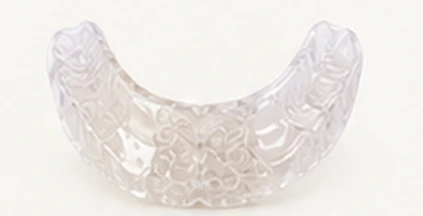
Premium denture arch showing individual tooth characterization — natural variations, subtle rotations, and surface texture that distinguish a boutique prosthetic from a standard denture. Smile Spot Dentistry Venice FL.

Individual Tooth Characterization

Standard economy dentures use identical teeth across the arch. Natural teeth are not identical — they have individual rotations, contact points, and surface textures. Our prosthetics include individual tooth characterization that replicates the natural variation of a real dentition.

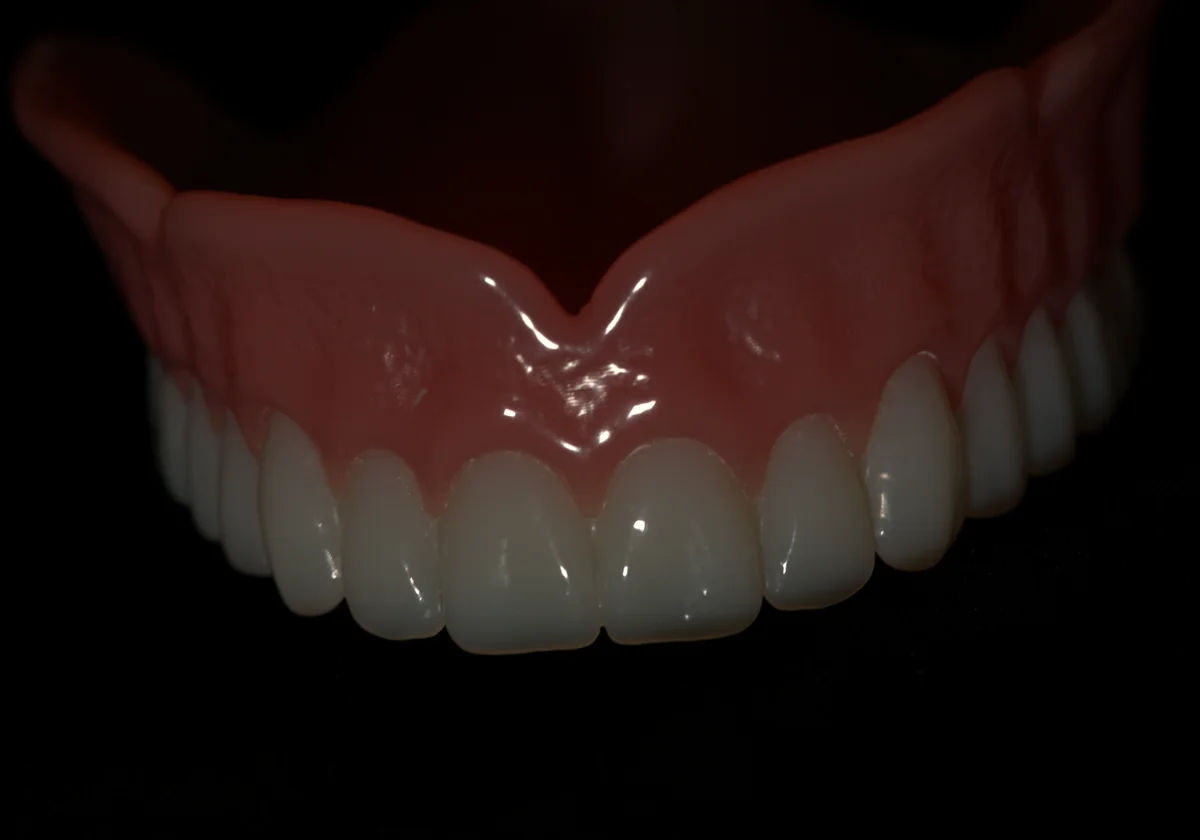
Premium denture teeth held to a single light source showing light transmission through the translucent incisal edge — replicating the natural glow of healthy tooth enamel. Smile Spot Dentistry Venice FL.

Translucent Incisal Edges

Natural front teeth are not opaque at the cutting edge — the incisal edge is translucent, allowing light to pass through and creating the characteristic glow of healthy teeth. Economy denture teeth have opaque, flat incisal edges that read as artificial under any lighting. Smile Spot denture teeth have the correct translucency gradient from gingival to incisal.

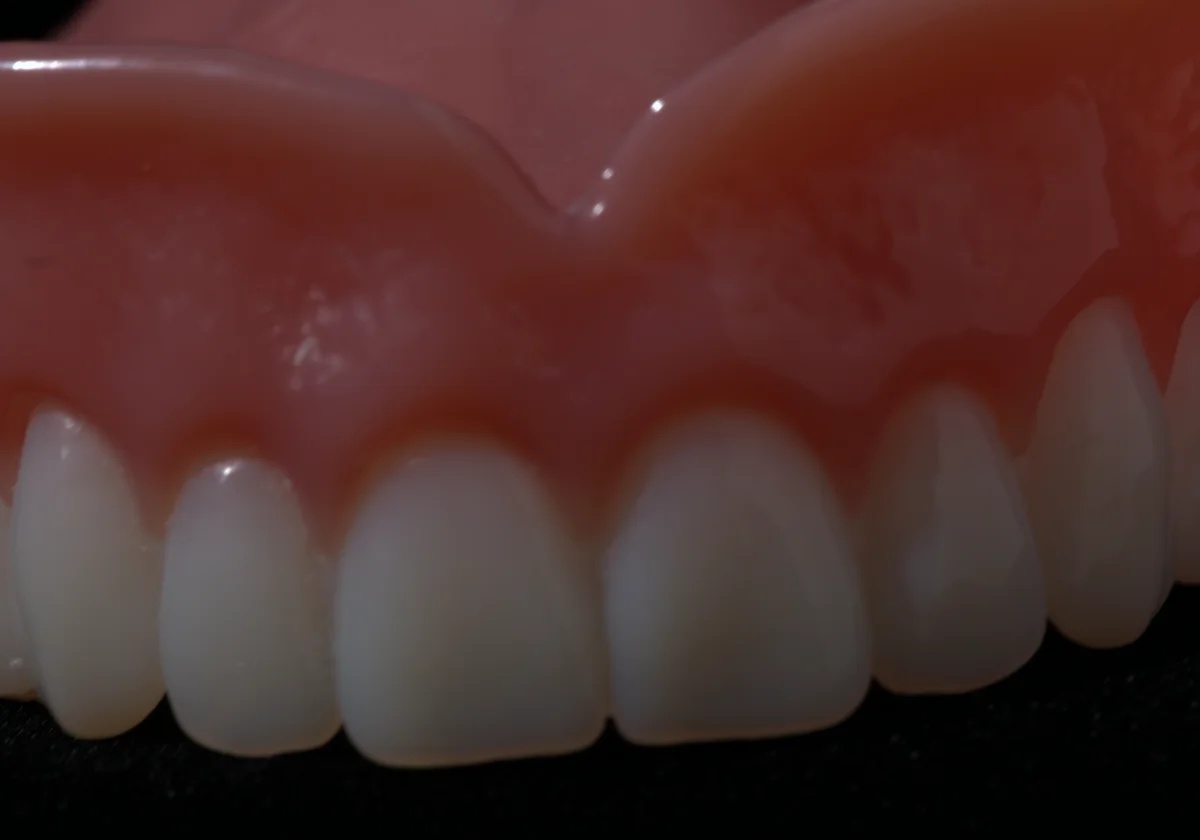
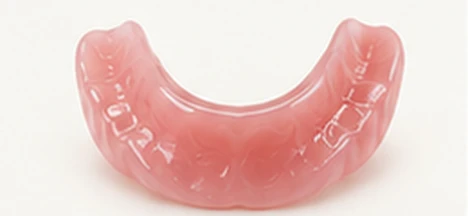
Premium denture gingival acrylic showing hand-characterization — colour graduation from lighter contact areas to richer pink at depth, replicating living gum tissue variation. Smile Spot Dentistry Venice FL.

Gum Tissue Shading

Standard dentures use a single uniform pink acrylic for the gum tissue. Living gum tissue varies in shade from the gingival margin to the deeper tissue — lighter at the contact areas, richer at depth. Our ceramist hand-characterizes the gingival acrylic to replicate this natural variation, so the gum tissue reads as living tissue rather than plastic.

Functional Engineering

Most Prosthetic Failures Are Not Material Failures.

They are bite failures — a prosthetic engineered without accounting for the muscles, joints, and forces that govern jaw movement. Dr. Sellappan applies three functional protocols to every custom denture in Venice FL before delivery.

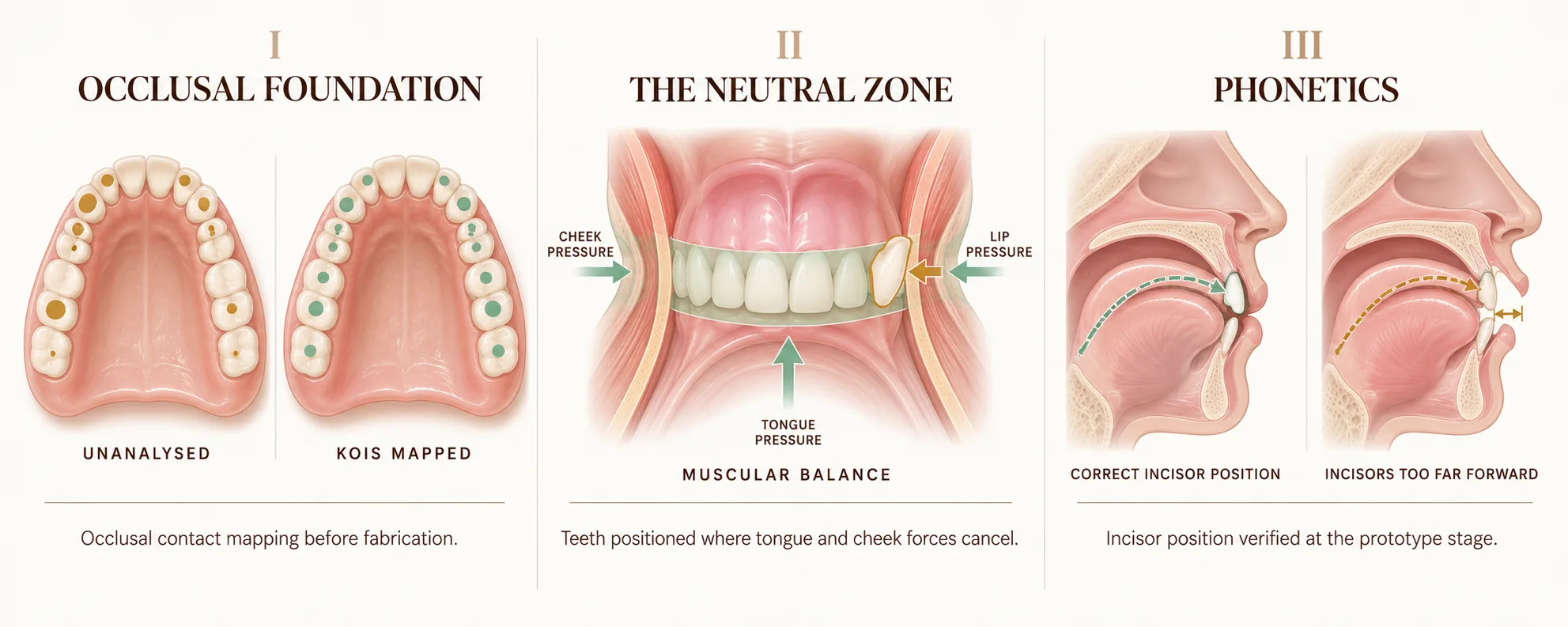
I

Kois Protocol

Occlusal Foundation

A prosthetic that is biomechanically misaligned will dislodge under lateral forces — the sideways movements that occur during chewing, speaking, and swallowing. Kois functional analysis maps every occlusal contact and lateral excursion before fabrication — ensuring the prosthetic is designed to harmonise with your jaw joint position, not fight against it. This is why Smile Spot prosthetics don't rock under chewing pressure.

II

Biomechanical Protocol

The Neutral Zone

The lips and cheeks exert inward pressure on the dental arch. The tongue exerts outward pressure. There is a specific zone where these forces balance — the neutral zone — and teeth positioned outside it will be displaced by muscular activity regardless of how well the denture fits the ridge. Dr. Sellappan maps the neutral zone for every full arch prosthetic and positions the teeth within it, so the musculature assists retention rather than working against it.

III

Phonetic Protocol

Speech & Phonetics

The position of upper front teeth determines how certain sounds are formed. The "S" sound requires the tongue tip to approach the back of the upper incisors at a specific distance — if the incisors are positioned too far forward or backward, a lisp results. Dr. Sellappan verifies phonetic function at the prototype stage — before final fabrication — so speech patterns are natural from the first day of wearing the permanent prosthetic.

Three functional protocols applied before a denture is fabricated. Occlusal foundation: an unanalysed arch with uneven scattered contacts beside a Kois-mapped arch with contacts distributed evenly. The neutral zone: tongue, cheek and lip pressure meeting in balance, with the teeth set inside the zone where those forces cancel and one tooth shown displaced outside it. Phonetics: the tongue path for the S sound reaching the incisors when they are correctly positioned, and falling short when they are set too far forward. Smile Spot Dentistry, Venice FL.
I. Occlusal Foundation · II. The Neutral Zone · III. Phonetics — incisor position verified at prototype stage.

Material Science · What Your Denture Is Made From — Different parts. Different materials.

A denture isn’t made from one material. The teeth, tissue-coloured base, partial-denture framework and implant-retention components each have a different job — and the material is selected accordingly.

  1. Denture teeth

    What you see when you smile.

    We use high-quality denture teeth that look natural, resist wear and work with your bite.

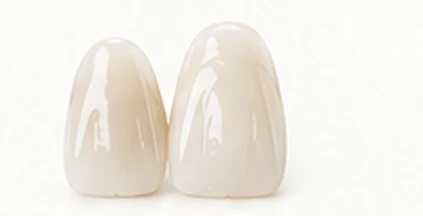
    • High-grade composite denture teeth — Smile Spot Dentistry, Venice FL

      High-grade composite / acrylic teeth

      Multilayer shading and translucency can create a natural appearance while keeping the prosthetic lightweight.

    • Porcelain denture tooth — Smile Spot Dentistry, Venice FL

      Porcelain teeth

      A traditional, highly aesthetic option with enamel-like optical qualities.

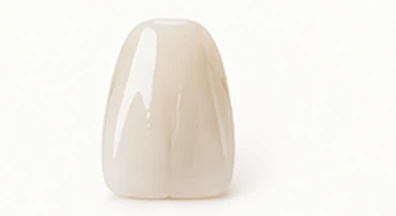
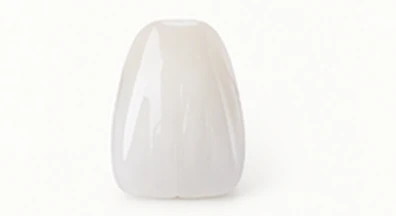
    • Zirconia denture tooth — Smile Spot Dentistry, Venice FL

      Zirconia teeth

      A high-strength, wear-resistant option used selectively when the clinical situation calls for it.

  2. Denture base

    The foundation beneath the teeth.

    The base supports the teeth, rests on your gums and is designed for strength, comfort and a natural appearance.

    • High-cross-linked acrylic denture base — Smile Spot Dentistry, Venice FL

      High-cross-linked acrylic (PMMA)

      The tissue-coloured material forming the denture base and supporting the replacement teeth.

    • Digitally printed denture base — Smile Spot Dentistry, Venice FL

      Digitally fabricated / printed resins

      Used in appropriate digital denture workflows, including selected provisional and immediate applications.

    • Characterized gingival acrylic denture base — Smile Spot Dentistry, Venice FL

      Characterized gingival acrylic

      Colour and texture can be individualized to match your natural tissues — not just a single flat pink.

  3. Partial denture framework

    When natural teeth remain.

    Partial dentures use a supporting framework to fit around your remaining teeth.

    • Flexible thermoplastic Valplast partial denture framework — Smile Spot Dentistry, Venice FL

      Flexible thermoplastic (Valplast)

      Thin, lightweight and gum-coloured, allowing clasping without obvious visible metal.

    • Cast cobalt-chrome partial denture framework — Smile Spot Dentistry, Venice FL

      Cast cobalt-chrome framework

      Rigid framework used when strength and precise support are priorities.

    • BioHPP metal-free partial denture framework — Smile Spot Dentistry, Venice FL

      BioHPP framework

      A metal-free, high-performance polymer option for selected cases.

  4. Implant-retained components

    What makes a snap-in denture snap.

    For implant-retained dentures, specialized components connect the denture to dental implants placed in the jaw.

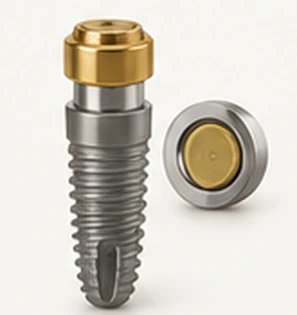
    Titanium dental implant with a locator attachment and retention insert — Smile Spot Dentistry, Venice FL

    Titanium implants + locator attachments

    The implants provide anchorage in the jaw while replaceable retention inserts inside the denture engage the attachments.

    For other cases, a bar-retained overdenture can connect multiple implants through a custom bar.

Our commitment

Better materials. A more natural you.

We select materials based on your clinical needs, esthetics and long-term success — so your denture looks natural, functions well and feels comfortable.

Denture materials · full clinical detail

Material Science

What Your Denture Is Made From.

The material determines how natural your prosthetic looks, how long it lasts, and how it behaves under bite force. Smile Spot selects materials based on your specific case — not a one-size-fits-all protocol.

Denture Teeth

Zirconia Denture Teeth

Lab-fabricated · Premium strength

A very hard, highly stain-resistant denture tooth material. Zirconia teeth replicate the optical properties of natural enamel — translucent at the incisal edge, opaque at the gingival third. Wear-resistant and biocompatible. Selected for patients with heavy bite force or high aesthetic demand.

Denture Teeth

Porcelain & Acrylic Composite Teeth

Glass-like clarity · Classic option

Porcelain denture teeth offer a glass-like translucency that closely mimics natural tooth enamel. High-quality composite acrylic teeth with multilayer shading provide excellent aesthetics at reduced weight. Both options are evaluated against your bite force, existing teeth shade, and facial anatomy before selection.

Denture Base

Printed & High-Cross-Linked Acrylic Base

In-house 3D printed · Or lab-pressed

Acrylic dentures — the most common prosthetic type — use a high-cross-linked acrylic base fabricated for durability and tissue compatibility. Our in-house 3D printing suite produces bases with ceramic-filled resins chosen for fracture toughness and dimensional accuracy. Hand-characterization adds tissue shading variation. Complex cases are pressed at our ceramist lab.

Partial Framework

Flexible Thermoplastic Nylon (Valplast)

No metal clasps · Gum-coloured

Valplast and similar flexible thermoplastic nylon materials offer an alternative to cast metal partial frameworks. The clasps are gum-coloured — no visible metal. The material is thin, lightweight, and adapts slightly to the mouth's contours. An excellent option for patients with metal sensitivities or those who prioritise aesthetics over framework rigidity. Ask at your consultation whether your case is suitable.

Partial Framework

Cast Metal & BioHPP Framework

Maximum rigidity · Precision fit

Cast cobalt-chrome frameworks offer a rigid, precisely fitting partial denture base. BioHPP (high-performance polymer) provides a metal-free alternative with comparable rigidity — biocompatible, CAD/CAM compatible, and resistant to corrosion. Framework selection is determined by your bite force, span length, and whether you prefer metal-free options.

Implant Components

Locator Attachments & Titanium Implants

Snap-in retention · Bone-level anchorage

Implant-supported overdentures use Locator attachments — low-profile titanium connectors that snap the prosthetic firmly onto implants. The nylon inserts are replaceable as retention changes over time. Self-aligning design makes insertion easy for patients with limited dexterity. Two implants are standard for lower overdentures; four for upper palateless prosthetics.

Now you know what each material does

See how these material choices translate directly into investment levels — and understand exactly what you are paying for at each tier.

Why costs vary →

Why Denture Costs Vary — Different solutions. Different investments.

The cost of a denture depends on the type of prosthesis, the materials used and the complexity of your case. Each option offers a different combination of appearance, function, stability and long-term value.

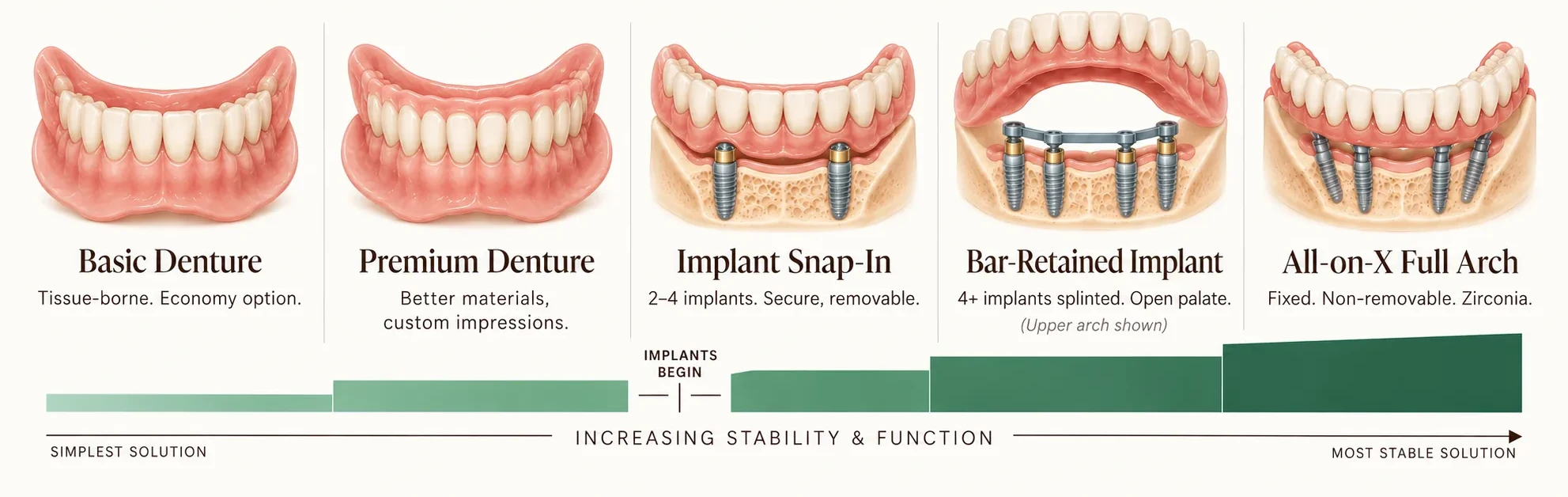
Five denture specifications shown in order of increasing stability and function — a tissue-borne basic denture, a premium denture with better materials and custom impressions, an implant snap-in retained on two to four implants, a bar-retained implant denture splinting four or more implants with an open palate, and a fixed non-removable All-on-X zirconia full arch. A marker on the scale shows where implants begin. Smile Spot Dentistry, Venice FL.
Increasing stability and function, left to right: basic denture · premium denture · implant snap-in · bar-retained implant · All-on-X full arch. Implants begin at the snap-in option.
  1. Basic Denture

    Reliable function

    Tissue-borne. Economy option.

  2. Premium Denture

    Enhanced aesthetics

    Better materials, custom impressions.

  3. Implant Snap-In

    Greater stability

    2–4 implants. Secure, removable.

  4. Bar-Retained Implant

    Maximum retention

    4+ implants splinted. Open palate.

  5. All-on-X Full Arch

    A permanent solution

    Fixed. Non-removable. Zirconia.

CompareBasic DentureReliable functionPremium DentureEnhanced aestheticsImplant Snap-InGreater stabilityBar-Retained ImplantMaximum retentionAll-on-X Full ArchA permanent solution
Removable or fixedRemovableRemovableRemovableUsually removableFixed (non-removable)
Implant supportNoneNone2–4 implants4+ implants4–6 implants
Palate coverageFullFullUsually fullOpenOpen
Primary materialAcrylicPremium acrylicAcrylicAcrylic on a metal barZirconia
How it is heldTissue-supportedTissue-supportedLocator attachmentsBar and clipsScrew-retained
CleaningRemove to cleanRemove to cleanRemove to cleanRemove to cleanClean in place

Our perspective

The right investment is the one that fits your life.

A higher initial investment can offer greater stability, comfort and long-term value. We will always discuss your options and help you choose the solution that makes the most sense for your goals, lifestyle and budget.

Cost · How Much Do Dentures Cost? Major Coverage Applies — An investment in your comfort, function and confidence.

The cost of a denture depends on the type of prosthesis, the materials used and the complexity of your case. We will always review your options and provide a clear, written treatment plan before you begin.

Our philosophy

Quality over quick fixes.

Our focus is on well-designed dentures that look natural, function properly and last. We use high-quality materials and trusted dental laboratories because a denture is not just a product — it’s an important part of your long-term health and quality of life.

  • InsuranceConventional full and partial dentures are classified as major restorative work under most PPO plans — typically 50% of UCR after your deductible.
  • FinancingCareCredit and Cherry options are available; ask our team.
  • HSA / FSATax-advantaged funds accepted.
Type of dentureTypical investment range
Complete denture (per arch)conventional$2,500 – $4,500
Immediate dentureplaced the same day as extractions+$500 per arch, added to the denture fee
Partial denture (acrylic or flexible / Valplast)$1,500 – $3,000
Partial denture (cast metal / cobalt-chrome)Quoted by case — framework design dependent
Snap-in overdenture (per arch)prosthetic only — implant placement quoted separatelyVaries by case — reviewed at consultation

Fees are estimates and may vary based on individual needs. Implant placement is quoted separately from the prosthetic. A detailed treatment plan with exact costs is provided at your consultation.

What influences the cost

Several factors can affect the final cost. We consider all of these when creating your personalized treatment plan.

  1. Type of prosthesis

    A full denture, partial denture or implant-retained overdenture involves different materials, laboratory steps and clinical time.

  2. Materials

    The choice of denture teeth, base materials and framework (for partials) can affect the cost.

  3. Complexity

    Extractions, bone condition, soft tissue considerations and the need for preliminary dentures can influence the overall investment.

  4. Customization

    Additional esthetic customization, precision attachments or advanced digital workflows may add to the cost.

Our promise

No surprises. Just a clear plan.

We will review all of your options, answer your questions and provide a transparent, written estimate before you make any decisions.

Coverage, the five prosthetic options & the investment estimator

Investment & Coverage

How Much Do Dentures Cost? Major Coverage Applies.

Basic and Premium describe how the denture is made. Snap-In and Bar-Retained describe how it is held in — those require implants.

Five denture specifications shown in order of increasing stability and function — a tissue-borne basic denture, a premium denture with better materials and custom impressions, an implant snap-in retained on two to four implants, a bar-retained implant denture splinting four or more implants with an open palate, and a fixed non-removable All-on-X zirconia full arch. A marker on the scale shows where implants begin. Smile Spot Dentistry, Venice FL.
Each tier reflects material, design process, and clinician training — detail in the section below.

What Actually Changes Between the Five Options

These are different prosthetic designs with different trade-offs — not a single ladder every patient should climb. What suits you depends on bone volume, remaining teeth, bite force, and how you want to live with the prosthetic.

  Basic Premium Snap-In Bar-Retained All-on-X
RemovableYesYesYesUsuallyNo — fixed
Implant supportNoneNone2–44+4–6
Palate coverageFullFullUsually fullOpenOpen
Primary materialAcrylicPremium acrylicAcrylicAcrylic on a metal barZirconia
How it is heldTissue-supportedTissue-supportedImplant-retainedBar-retainedImplant-fixed
CleaningRemove to cleanRemove to cleanRemove to cleanRemove to cleanClean in place

Scroll table sideways to compare →

Implants can help preserve bone at the sites where they are placed. Dr. Sellappan will assess whether your bone volume supports an implant-retained option at consultation.

Conventional complete dentures and partial dentures are classified as major restorative work under most PPO dental insurance plans — meaning your benefits apply. The denture cost at Smile Spot reflects RayFace facial integration, iTero digital scanning, individual tooth characterization, and Kois occlusal verification — not off-the-shelf fabrication.

Complete dentures (per arch) $2,500 – $4,500
Partial dentures $1,500 – $3,000
Snap-in overdenture Prosthetic + implant placement — varies by case
Insurance coverage 50% of UCR after deductible (most PPO plans)
Financing Options available — ask our team
HSA / FSA Tax-advantaged funds accepted

Benefits are verified before any treatment is scheduled. You receive a written estimate of your out-of-pocket cost before you commit to treatment.

PPO Coverage for Dentures

Most PPO plans classify conventional full and partial dentures as major restorative work — typically covered at 50% after your annual deductible. Implant components, including the posts and abutments, are rarely covered by standard dental insurance. However, the implant-supported prosthetic itself may qualify as a covered denture benefit on some plans. We verify your specific benefits before any treatment begins.

Financing options available Ask our team for details
HSA / FSA accepted Tax-advantaged funds welcome

Concerned about bone loss making future implants impossible? Early intervention preserves your options. The longer tooth loss goes unreplaced, the more bone resorbs — and the less bone volume is available for implants later. A consultation is complimentary and will clarify your options.

Denture Investment Estimator

What Will Your Denture Cost? Know What You're Comparing.

Select your prosthetic type, then adjust the four variable factors to build your estimate. The four fixed factors on the right show what's always included — and what other practices typically use instead.

Add: Immediate denture — same-day placement at extraction

Fabricated before extractions, placed the same day. +$500 per arch estimate.

Your results

Smile Spot estimate

—

Select prosthetic type above

One or more selections aren't offered at Smile Spot — adjust your choices above.


Your selections

Milled CAD/CAM acrylic base
Zirconia / porcelain teeth
Prototype try-in at home
Hand-characterised gum tissue

Six questions to take to any practice you're comparing

01

What base material is used — heat-cured PMMA, injection-moulded, or CAD/CAM milled?

02

What tooth material is specified — standard acrylic, cross-linked composite, or zirconia?

03

Is any facial reference used in tooth positioning, or is the design jaw-only?

04

Is a prototype try-in included — and can it be taken home to test speech and function?

05

Is the bite analysed with a functional protocol, or assumed from a simple closure?

06

Is gum tissue hand-characterised, or is the base a single flat pink acrylic?

Know What You’re Comparing — What’s included — and what to ask anyone else.

Denture fees are quoted differently from practice to practice. These are the things that are always part of your treatment here, and the questions that reveal what another quote does and doesn’t include.

Always included at Smile Spot

  • Facial designRayFace when clinically appropriate
  • Digital impressioniTero for accuracy and comfort
  • Bite analysisKois functional principles
  • Clinical planning and aftercareOngoing support for long-term success

Six questions to ask any practice you’re comparing

  1. 1What base material do you use for the denture — heat-cured PMMA, injection-moulded, or CAD/CAM milled?
  2. 2What tooth material is used — standard acrylic, cross-linked composite, or zirconia?
  3. 3Do you use any facial photographs or facial reference in the design, or is it jaw-only?
  4. 4Will I see a try-in before the final denture is made — and can I take it home to test speech and function?
  5. 5How do you evaluate my bite and jaw function?
  6. 6Is the gum tissue characterized or custom shaded, or a single flat pink acrylic?

Fixed Full-Arch Replacement · All-on-X Is a Different Clinical Conversation — Want teeth that don’t come out?

A snap-in overdenture is removable. All-on-X is a fixed, screw-retained full-arch restoration supported by dental implants. If fixed teeth are your goal, that is a different clinical pathway with its own surgical, prosthetic and maintenance considerations.

Explore All-on-X

Dr. Sellappan can compare removable and fixed options before treatment begins.

Removable vs fixed · what to know before implants are placed

Fixed Full-Arch Replacement

All-on-X Is a Different Clinical Conversation.

A removable implant-supported overdenture and a fixed All-on-X full arch restoration are two different prosthetics with different surgical requirements, different maintenance protocols, and different outcomes. If you want a fixed, screw-retained full arch that stays in place — that is All-on-X territory, not denture territory. It has its own page, its own clinical framework, and its own candidacy criteria.

One thing worth knowing: if you are already placing implants for an overdenture, the implant surgery is largely the same as for All-on-X. The difference is the prosthetic placed on top. If a fixed arch is within reach financially, it is worth discussing at your consultation before implants are placed — upgrading from removable to fixed after the fact is possible but adds cost and complexity. Dr. Sellappan will give you a clear comparison of both paths before any treatment is committed to.

Daily Care — Caring for your prosthetic.

A well-designed denture still needs consistent care. Four habits help protect the prosthetic, the tissues underneath it and its fit over time.

  1. Brush daily

    Use a soft denture brush and clean every surface, including the tissue-facing side. Avoid abrasive regular toothpaste.

  2. Soak & keep moist

    Soak in a denture cleaner (such as an effervescent tablet) for the few minutes the instructions state, then rinse well. Overnight, keep the denture moist in plain water, and avoid hot water that can distort the base.

  3. Remove at night

    Give the tissues beneath the prosthetic time without continuous denture wear. The American Dental Association recommends removing dentures for at least 6–8 hours daily.

  4. Annual check-up

    Your ridge and soft tissues change over time. Regular examinations allow us to evaluate fit, tissue health and whether adjustment or relining is needed.

How to care for your dentures3:44 · Q&A with Dr. Sellappan

How long do dentures last?

Well-fabricated complete dentures with proper daily care typically last 5–7 years before relining or replacement may be needed. Fit can change as the supporting tissues and ridge change over time.

Zirconia teeth are generally more wear-resistant than standard acrylic. Implant-supported overdentures often outlast conventional dentures, because the implants help limit the bone loss that leads to progressive fit deterioration. The digital file of your prosthetic is stored, so a replacement can be fabricated quickly.

Daily care & longevity · full detail

Daily Care

Caring for Your Prosthetic.

A precision-crafted prosthetic lasts significantly longer with the right daily routine. These are the essentials — not a 20-step protocol, just the four habits that matter most.

01

How to Clean Dentures — Daily Brush

Use a soft denture brush — never regular toothpaste, which is abrasive enough to scratch the surface. Clean all surfaces including the tissue-facing side.

02

Soak & Keep Moist

Keep dentures moist when not wearing them — keep them in plain water overnight and use a denture cleaner for the few minutes the instructions state, then rinse. Avoid hot water, which can distort the acrylic base.

03

Remove at Night — Don't Sleep With Dentures In

Sleeping with dentures in is associated with a higher risk of infection and with bone loss. The American Dental Association recommends removing dentures for at least 6–8 hours daily. This allows gum tissue to recover, reduces fungal infection risk, and slows bone resorption beneath the prosthetic.

04

Annual Check-Up

Bone and tissue change over time — what fitted well at delivery will usually need adjustment. Annual recalls allow Dr. Sellappan to monitor fit, reline when needed, and check for tissue changes beneath the prosthetic.

Dr. Sellappan demonstrating the correct denture care routine — brush, soak, remove nightly. Smile Spot Dentistry Venice FL.
▶

How to Care for Your Dentures

90 sec · Dr. Sellappan · Coming soon

How Long Do Dentures Last?

With proper daily care, well-fabricated complete dentures typically last 5–7 years before relining or replacement is needed. Zirconia teeth are generally more wear-resistant than standard acrylic. Implant-supported overdentures generally outlast conventional dentures because implants help limit the bone loss that leads to progressive fit deterioration. The digital file of your prosthetic is stored permanently — replacement fabrication is rapid.

Common Questions — Dentures — Answered.

Clear answers to the questions we hear most about dentures at Smile Spot Dentistry in Venice, FL.

Choosing & living with dentures

Treatment & decisions

Still have a question? Dr. Sellappan can review your teeth, bone, bite and goals at your consultation.

Dentures · Venice, FL · Begin Your Restoration — Your Face Deserves Architecture — Eat. Speak. Smile. Feel like yourself again.

Whether you need a complete denture, partial denture or implant-retained overdenture, your treatment should be designed around more than missing teeth. Dr. Sellappan will evaluate your remaining teeth, bone, bite and goals and explain the options that make sense for you.

Smile Spot Dentistry · Venice Island, Florida

What happens at your denture consultation

Schedule your denture consultation at Smile Spot Dentistry on Venice Island. Dr. Sellappan will evaluate your bone structure, remaining teeth, and lifestyle goals — and give you a clear, unbiased recommendation. Benefits verified before you commit to treatment.

Reserve Your Visit